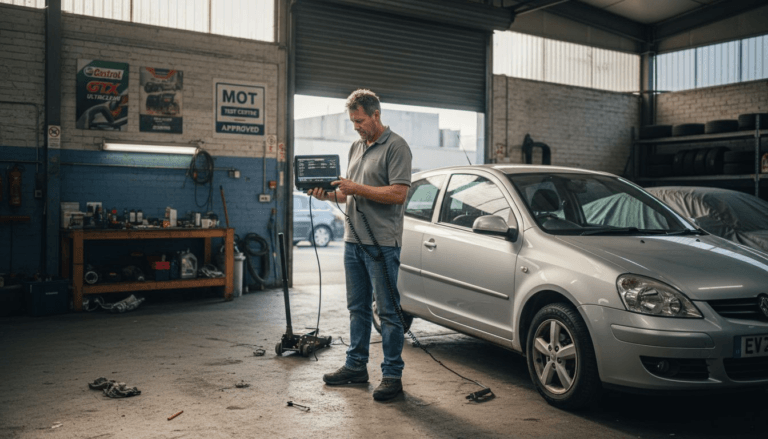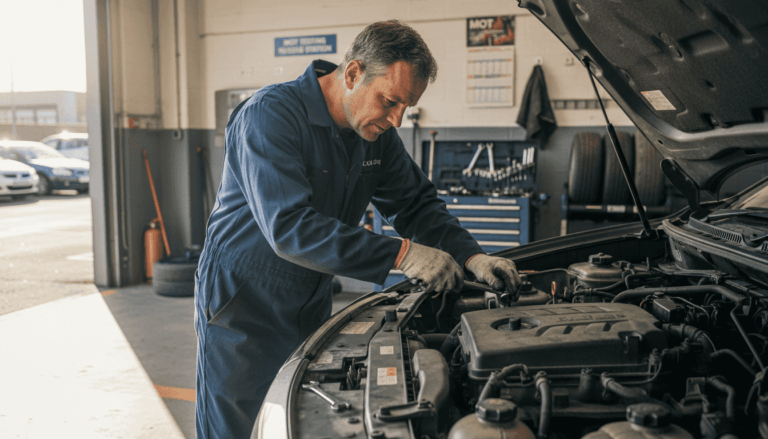


Rough idling, sluggish acceleration, and unexplained drops in fuel economy can leave Corby drivers frustrated and worried. Engine carbon buildup is a common culprit behind these issues, especially for vehicles with Gasoline Direct Injection systems and those driven primarily on short city routes. By investing in expert engine carbon cleaning services and regular maintenance, you help your car run smoother and extend its lifespan. Learn how a thorough assessment and the right cleaning process offer reliable, long-term results.
Table of Contents
- Step 1: Assess Engine Condition Before Cleaning
- Step 2: Prepare Vehicle And Workspace Thoroughly
- Step 3: Apply Carbon Cleaning Procedure Safely
- Step 4: Monitor Cleaning Progress In Real Time
- Step 5: Verify Results And Engine Performance
Quick Summary
| Key Message | Explanation |
|---|---|
| 1. Assess engine condition before cleaning | Conduct a thorough diagnosis to determine if your engine genuinely needs carbon cleaning based on its condition and symptoms. |
| 2. Proper preparation is crucial | Ensure your vehicle and workspace are adequately prepared to prevent damage and create a safe environment for the cleaning process. |
| 3. Monitor cleaning progress actively | Keep track of engine metrics and performance indicators to ensure effective carbon cleaning and spot any issues early in the process. |
| 4. Verify results after cleaning | Test engine performance and emissions post-cleaning to confirm improvements and fuel efficiency gains resulting from the carbon cleaning procedure. |
| 5. Maintain detailed records | Document all findings from assessments, cleaning processes, and performance changes to inform future maintenance and cleaning decisions. |
Step 1: Assess engine condition before cleaning
Before you invest time and money into engine carbon cleaning, you need to understand what you are actually dealing with. This assessment phase is your foundation. You are essentially conducting a diagnostic review to determine whether your engine genuinely needs cleaning and what type of deposits you are facing. A proper assessment takes the guesswork out of the equation and ensures you pursue the right solution for your specific vehicle.
Start by listening to your engine and noting any symptoms that suggest carbon buildup. Does your engine knock or ping, particularly under acceleration or when using lower-octane fuel? Are you experiencing rough idling, hesitation during acceleration, or a noticeable drop in fuel economy? These signs often point to excessive carbon deposits restricting fuel flow or causing pre-ignition issues. Pay attention to how your vehicle behaves during cold starts as well, since buildup can affect combustion efficiency. Write down what you observe because these details matter when a technician evaluates your engine.
Next, consider your engine type and driving habits. Gasoline Direct Injection (GDI) engines are particularly susceptible to carbon accumulation because fuel is sprayed directly into the combustion chamber without mixing with gasoline in the intake valves, meaning oil deposits burn without adequate fuel contact. If you drive primarily short distances around Corby without letting your engine reach full operating temperature, you are creating ideal conditions for carbon buildup. Motorway driving at consistent speeds actually helps keep your engine cleaner. Your driving pattern directly influences whether you are a candidate for cleaning.
Perform a visual inspection when your engine is cold. Pop the bonnet and look at the engine bay for obvious signs of poor maintenance. Check your oil level and condition, as dirty or low oil contributes significantly to carbon formation. Examine your air filter, spark plugs if accessible, and any visible fuel injectors. While you cannot see inside the combustion chamber without specialised equipment, carbon deposits inside combustion chambers represent the core issue needing assessment. Document what you find with photographs if possible.
Consider professional diagnostic assessment at this point. Modern vehicles have onboard diagnostic systems that can reveal stored trouble codes related to fuel system performance, misfires, or oxygen sensor issues, all of which connect to carbon buildup. A technician with proper diagnostic equipment can read these codes and assess your engine’s actual condition. They can also evaluate whether your fuel and oil maintenance history has been adequate, as regular maintenance prevents severe carbon buildup from developing in the first place.
When you visit a professional for assessment, they should consider these factors:
- Your engine’s mileage and age
- Service history and fuel quality used
- Current performance symptoms and fuel consumption patterns
- Engine type and fuel injection system design
- Whether your vehicle is experiencing rough running, starting difficulties, or reduced power output
- Results from any diagnostic scans or visual inspections performed
A thorough assessment prevents unnecessary cleaning and identifies the actual severity of carbon accumulation, ensuring your money is spent where it genuinely helps.
This assessment step answers a critical question: does your engine actually need cleaning right now, or is it performing normally with minor deposits that regular maintenance will address? Not every engine showing slight hesitation needs aggressive carbon cleaning. Some vehicles benefit more from fuel system cleaning or maintenance adjustments. By completing this assessment properly, you make an informed decision rather than pursuing a solution to a problem that may not exist. When you understand your engine’s true condition, you can move forward with confidence knowing exactly what needs to happen next.
Pro tip: Keep detailed records of your assessment findings, diagnostic codes, and mileage figures, as these documents help technicians recommend the most suitable cleaning process and track improvements after treatment.
Step 2: Prepare vehicle and workspace thoroughly
Proper preparation is the difference between a smooth cleaning process and one that creates additional problems. Before you begin any carbon cleaning work, you need to ensure your vehicle and the space around it are ready for the job. This step protects your engine’s sensitive components, prevents damage from chemicals or water, and creates a safe working environment for yourself and anyone assisting you.

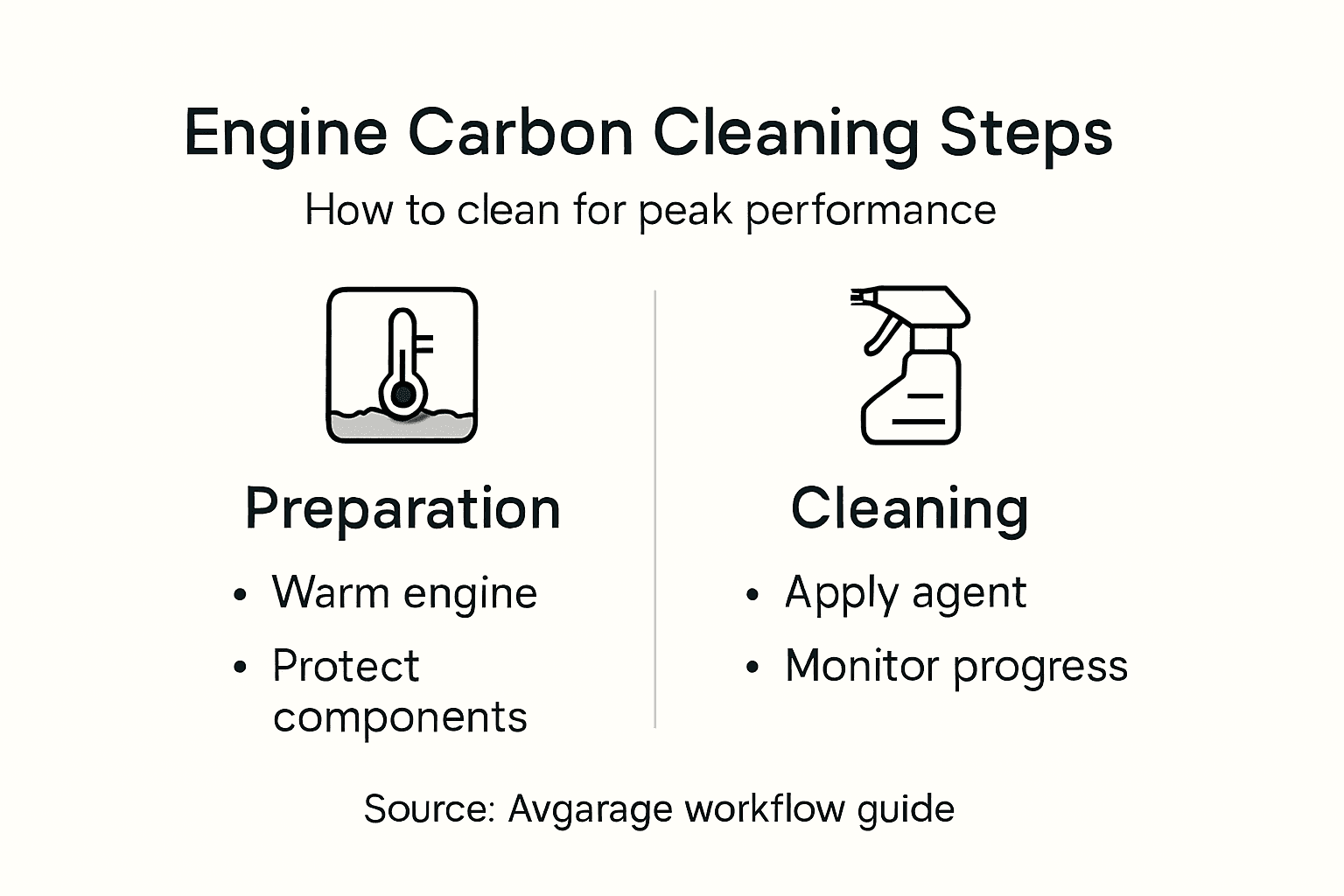
Start by warming your engine to operating temperature. Run your vehicle for five to ten minutes until it reaches normal working heat. Warming the engine serves a practical purpose beyond comfort. Heat softens carbon deposits, making them easier to dislodge during cleaning. Cold deposits are harder and more resistant to removal, which means the cleaning process works less effectively. However, do not allow the engine to overheat. Once it has reached a steady running temperature, switch it off and let it cool slightly before you begin protecting components. This balance between warmth and safety ensures optimal results.
Now focus on your workspace setup. You need a well-ventilated area, ideally with good air circulation to disperse fumes safely. If you are working in a garage, open all doors and windows. Poor ventilation concentrates cleaning fumes and creates a hazardous environment. Avoid enclosed spaces without proper air movement. Ensure you have adequate lighting so you can see what you are doing inside the engine bay. Position your vehicle on level ground and engage the handbrake firmly. You want zero movement during the cleaning process.
Protecting sensitive electrical and mechanical components is critical. Begin by removing or carefully protecting items that should not contact water or cleaning chemicals. Your air filter box is vulnerable and should be removed or covered with waterproof materials such as plastic sheeting and tape. Cover electrical connectors with waterproof materials to prevent moisture from damaging electronics and causing short circuits. Check your throttle body and any other accessible sensitive areas. Use waterproof tape, plastic bags, or specialist covers to shield them. Take photographs before you start so you remember exactly where everything was positioned.
Prepare your workspace with practical containment and safety measures in place. Lay oil-absorbing mats or absorbent pads under the engine to capture any runoff, drips, or cleaning solution that escapes. This protects your driveway and makes cleanup easier. Gather all your tools and materials within reach before you start, including appropriate degreasers, brushes, rags, and your cleaning equipment. Securing the vehicle in a well-ventilated workspace with appropriate safety measures ensures you can work confidently without interruptions.
Consider these preparation essentials before you begin:
- Engine warmed to operating temperature and then allowed to cool slightly
- Workspace well-ventilated with doors and windows open
- Adequate lighting positioned to illuminate the engine bay clearly
- Vehicle on level ground with handbrake engaged
- Air filters removed or protected from moisture
- Electrical connectors covered with waterproof materials
- Throttle bodies sealed or protected appropriately
- Oil-absorbing mats placed under engine to catch spillage
- All tools, materials, and cleaning products gathered and accessible
- Safety equipment including gloves and eye protection ready to use
Taking time to prepare properly now prevents costly damage to electrical systems and ensures your cleaning process runs safely and smoothly from start to finish.
Your preparation also includes personal safety considerations. Wear chemical-resistant gloves to protect your hands from degreasers and cleaning solutions. Safety glasses protect your eyes from splashes or debris. Some cleaning processes produce fumes, so if you feel uncomfortable with ventilation, consider wearing a dust mask or respirator. Keep a fire extinguisher nearby as a precaution, though carbon cleaning with proper methods carries minimal fire risk. Have water and paper towels accessible for quick cleanup of spills.
Once your engine is at the right temperature, your workspace is secure and well-ventilated, and all sensitive components are protected, you are ready to proceed with the actual cleaning. This preparation phase might seem like extra work, but it dramatically reduces the risk of damaging your vehicle and protects both you and your workspace from unnecessary hazards.
Professional tip: Create a simple checklist of all protected components before you start cleaning, then photograph each one, so you have a visual reference when reassembling everything afterwards.
Step 3: Apply carbon cleaning procedure safely
Now that your vehicle is prepared and your workspace is secure, you are ready to execute the carbon cleaning procedure itself. This is where your preparation investment pays off. The actual cleaning process requires attention to detail, patience, and strict adherence to safety protocols. Understanding which cleaning method suits your engine’s condition and following proper dosing and timing ensures you achieve thorough results without causing unintended damage.
Carbon cleaning typically employs one of two primary approaches. Chemical cleaning introduces specially formulated solvents that dissolve carbon deposits throughout the engine, whilst hydrogen-based cleaning injects hydrogen gas that reacts chemically with deposits to break them down. The choice between these methods depends on your engine’s severity of buildup and design. Mild deposits may respond well to fuel additives mixed into your tank, whilst severe cases often require professional intervention with more aggressive techniques. Chemical or hydrogen-based cleaning methods work by targeting the molecular bonds holding carbon together, effectively dissolving or fragmenting them so they can be expelled through normal combustion or flushing.
Begin by accurately measuring and dosing your cleaning agent according to the product instructions or professional recommendations. Overdosing creates risks including engine damage, excessive wear on components, and potential breakdown of beneficial oil film protecting your engine. Underdosing produces inadequate results, leaving you frustrated after investing time and money. Follow manufacturer procedures precisely. Most chemical treatments require you to add the solution to your fuel tank before running the engine, allowing it to circulate through the fuel system and combustion chamber. Hydrogen systems typically operate differently, with technicians connecting specialised equipment to your engine and running it whilst the hydrogen injection occurs. The procedure usually takes between thirty minutes to two hours depending on buildup severity and equipment type.
To help distinguish between chemical and hydrogen-based engine carbon cleaning methods, here’s a comparative summary:
| Cleaning Method | Typical Procedure | Advantages | Considerations |
|---|---|---|---|
| Chemical | Add solvent to fuel system | Targets internal deposits | Requires exact dosing, risk of residue |
| Hydrogen-based | Inject hydrogen via engine | Rapid breakdown of carbon | Needs specialist equipment and technician |
| Fuel additives | Pour into tank during routine fill | Convenient for mild build-up | Less effective for severe deposits |
This overview clarifies which cleaning method suits different engine conditions and practical needs.
During the cleaning procedure itself, monitor your engine carefully. Keep the engine running at appropriate RPM as specified by your cleaning method instructions. Some procedures require steady idle operation, whilst others benefit from gentle acceleration cycles that increase combustion temperatures and aid deposit breakdown. Maintain proper engine ventilation throughout. If you are working with chemical additives in the fuel system, ensure your garage doors remain open and air circulation continues uninterrupted. Watch for any unusual sounds, excessive smoke, or concerning vibrations. These warning signs suggest something is amiss and warrant stopping the procedure immediately. Some smoke during hydrogen cleaning is normal as deposits burn away, but thick black smoke indicates a problem.
Key safety steps during the cleaning procedure include:
- Following dosage instructions exactly, never exceeding recommended amounts
- Maintaining proper engine RPM as outlined in your cleaning method guidelines
- Ensuring continuous workspace ventilation throughout the entire process
- Monitoring engine behaviour for unusual sounds or excessive smoke
- Keeping fire extinguisher within immediate reach as a precaution
- Wearing protective gloves and eyewear throughout the procedure
- Avoiding contact with hot engine surfaces or moving components
- Allowing the engine to run at safe temperatures, neither too cool nor overheating
- Keeping hands and tools clear of belts and rotating components
- Following manufacturer timeframes, never rushing or extending the procedure beyond recommended duration
Accurate dosing and strict attention to engine behaviour throughout the cleaning process prevents damage whilst ensuring thorough deposit removal and optimal results.
After completing the active cleaning phase, allow your engine to cool slightly before switching it off. Some procedures benefit from a brief cool-down period to allow reactions to complete and deposits to settle. Avoiding excessive chemical use and following manufacturer procedures protects your engine’s internal components and warranty validity. Once the engine has cooled, you may need to perform flushing or additional circulation steps depending on your chosen cleaning method. These post-cleaning steps complete the process and prepare your engine for normal operation.
The entire carbon cleaning procedure from start to finish represents a significant investment in your vehicle’s health. By applying the cleaning process safely with proper attention to detail and adherence to guidelines, you maximise effectiveness whilst minimising risks. Your preparation earlier now enables you to focus entirely on executing the procedure correctly without scrambling to address unexpected challenges.
Professional tip: Keep detailed notes of engine temperature, RPM, running time, and any observations during the cleaning procedure, as this information helps you and future technicians understand your engine’s condition and validate cleaning effectiveness.
Step 4: Monitor cleaning progress in real time
Whilst your carbon cleaning procedure runs, real-time monitoring transforms you from a passive observer into an active participant managing the process. Modern cleaning systems provide continuous feedback about what is happening inside your engine, allowing you to catch problems early and adjust operations for optimal results. Understanding what to watch for and which metrics matter most ensures you maintain control throughout the cleaning cycle and achieve the thorough results you are seeking.
Advanced carbon cleaning machines incorporate sophisticated diagnostic systems that track multiple parameters simultaneously. These diagnostic interfaces monitor pressure readings, temperature fluctuations, and carbon level measurements throughout the entire cleaning procedure. The systems automatically adjust cleaning parameters dynamically, optimising gas concentrations and calibrating the approach based on your specific fuel type and engine condition. Rather than running a one-size-fits-all programme, modern equipment responds to your engine’s actual behaviour and feedback. Real-time monitoring systems optimise gas concentrations and adjust cleaning parameters to ensure complete deposit removal without exposing your engine to excessive treatment or chemical overload.
If you are working with professional equipment at a service facility, familiarise yourself with the display screens and what each reading represents. Your technician should explain the baseline readings before cleaning starts, then point out how values change as the procedure progresses. Temperature readings typically rise as carbon combusts and deposits break down. Pressure readings may fluctuate as blockages clear and fuel or hydrogen flow improves. Emission levels often show improvement as the cleaning removes deposits that were restricting combustion efficiency. These changes indicate the cleaning is working. Conversely, static readings that never shift might suggest the procedure is not achieving its intended effect, warranting investigation. Watch for any reading that spikes dramatically or behaves erratically, as this could indicate a developing problem requiring procedure interruption.
Your own manual observations complement the mechanical monitoring. Keep your attention on the engine behaviour itself. Listen for changes in engine sound. A rough idle that smooths out as cleaning progresses indicates deposits clearing from the combustion chamber. Watch for exhaust colour and consistency. Visible exhaust may temporarily increase as loosened deposits burn away, but thick black smoke or unusual odours warrant stopping the procedure. Notice any vibration patterns. Engines often vibrate slightly differently during carbon cleaning as combustion becomes more uniform after deposit removal, but violent shaking suggests mechanical distress.
Key metrics to monitor during your carbon cleaning include:
- Engine temperature maintaining stable operation without overheating
- Pressure readings showing normal progression rather than sudden spikes
- Fuel consumption or hydrogen flow rates matching procedure expectations
- Engine RPM stability at specified levels without erratic fluctuation
- Exhaust emissions trending toward cleaner readings as cleaning progresses
- Engine sound transitioning from rough to smoother as deposits clear
- Absence of warning lights or diagnostic trouble codes appearing
- Vibration levels remaining consistent and within normal parameters
- Oil pressure maintaining adequate protection throughout the procedure
- No unusual smells, leaks, or visible damage developing
Many modern vehicles feature telemetry systems that provide additional insight into cleaning effectiveness. These platforms collect data on fuel consumption, engine RPM, temperature, and system activity during the decarbonisation process. Real-time engine telemetry and emission monitoring provides actionable insights into fuel savings, emission reductions, and system diagnostics whilst the cleaning occurs. This information helps you and your technician verify that progress is happening and that the engine is responding positively to treatment. If telemetry shows fuel consumption dropping as expected during cleaning, this confirms that combustion efficiency is improving.
Paying close attention to real-time monitoring throughout your cleaning procedure gives you early warning of problems and confirms that your investment is producing meaningful results.
Take notes of key readings at regular intervals, perhaps every fifteen minutes depending on your procedure duration. Recording baseline values before cleaning starts, mid-procedure snapshots, and final readings after cleaning completes creates a valuable record of the transformation. This data helps you understand exactly what changed and quantifies the improvement your engine experienced. Should you need to discuss results with a technician or consider future maintenance, these records provide concrete evidence of the cleaning’s effectiveness rather than relying on subjective impressions alone.
Here’s a quick reference guide to key metrics for monitoring carbon cleaning progress:
| Metric | What to Watch | Significance |
|---|---|---|
| Engine temperature | Stable, no spikes | Indicates safe operation |
| Pressure readings | Gradual improvement | Reveals clearing blockages |
| Exhaust emissions | Cleaner output | Measures combustion efficiency |
| Engine sound | Smooth transition | Signals deposit removal |
| Oil pressure | Sufficient levels | Protects engine components |
Using these metrics assists in ensuring your cleaning procedure remains effective and safe throughout.
As your cleaning procedure approaches completion, the readings should stabilise in their improved state. Temperature may gradually decrease as the active cleaning phase concludes. Pressure readings normalise as the cleaning agents complete their work. Engine behaviour becomes more consistent and smoother than when you started. This stabilisation signals that your cleaning cycle is nearing its end and that your engine has progressed from its original carbon-laden state to a cleaner, more efficient condition.
Professional tip: Request a detailed printout or digital record of all monitoring data from your technician after cleaning completes, including before-and-after readings and graphs showing how each parameter changed throughout the procedure, allowing you to understand exactly what improved.
Step 5: Verify results and engine performance
Your carbon cleaning procedure is complete, but the true measure of success comes from verifying that your engine has actually improved. This verification step is not merely a nice-to-have, it is essential for confirming your investment produced tangible results. By conducting thorough post-cleaning checks, you establish a clear baseline of performance improvements and identify any additional maintenance your engine might need moving forward.
Begin your verification process by allowing your engine to cool completely after cleaning finishes. Give it at least thirty minutes of rest before starting any testing. A hot engine produces inaccurate readings and does not reflect how your vehicle will perform during normal daily driving. Once cooled, start your engine and listen carefully. You should immediately notice a difference in how it sounds. A rough idle that plagued your vehicle before cleaning often transforms into a smooth, consistent rumble. The engine should fire up cleanly without hesitation or stuttering. If your cold starts were sluggish previously, they should now feel more responsive. These auditory improvements indicate that combustion is happening more efficiently throughout the engine.
Next, perform a test drive on familiar routes. Drive the same roads where you previously noticed problems like hesitation during acceleration or poor responsiveness. Pay attention to how your engine behaves under load. Acceleration should feel smoother and more responsive, with the engine responding immediately to throttle input rather than lagging or hesitating. Your vehicle should feel perkier, with more power delivery and less strain when climbing hills or merging onto motorways. Notice how the engine transitions between different RPM ranges. These shifts should feel seamless rather than rough or jerky. The difference is often dramatic enough that you will feel it immediately, though subtle improvements become more apparent after you drive for a few minutes and allow the engine to settle into its cleaner state.
Fuel efficiency represents one of the most measurable improvements after carbon cleaning. Regular carbon cleaning restores fuel injector performance and reduces emissions, leading directly to better fuel economy. Reset your fuel consumption meter or note your current mileage precisely, then monitor how far you travel on your next full tank. Compare this distance to what you were achieving before cleaning. Many vehicle owners report fuel economy improvements ranging from five to fifteen percent, though results vary based on your specific engine condition and driving habits. Calculate your actual improvement by dividing the kilometres travelled by the amount of fuel used. This concrete number proves that your engine is now burning fuel more efficiently than it was before.
Key performance indicators to verify after carbon cleaning include:
- Engine idle quality and stability at consistent RPM without fluctuation
- Cold start responsiveness and reduced cranking time
- Acceleration smoothness and immediate throttle response
- Power delivery consistency across the RPM range
- Absence of engine knocking or pinging sounds
- Smoother transitions between gears in automatic transmissions
- Improved fuel economy measurable over a full tank of driving
- Reduced exhaust emissions visible during standard testing
- Quieter overall engine operation with less mechanical noise
- Consistent running temperature without unexpected fluctuations
Beyond your own observations, conduct a diagnostic scan to measure quantifiable improvements. Many automotive technicians offer post-cleaning diagnostics that compare your engine’s performance metrics before and after treatment. Vehicle diagnostics measure emissions and performance metrics to confirm that your cleaning achieved its intended results. These scans reveal how your oxygen sensors, fuel injectors, and emission systems are now responding. You should see improved readings for emissions levels, with particular reductions in carbon monoxide and nitrogen oxide outputs. Fuel trim values, which indicate how much the engine is adjusting fuel delivery to maintain proper combustion, should stabilise more quickly and operate closer to optimal ranges.
Verifying results through both your personal observations and diagnostic data confirms that your carbon cleaning investment produced real improvements that will extend your engine’s lifespan and enhance your driving experience.
If your engine had a check engine light illuminated before cleaning, it should extinguish shortly after successful cleaning treatment, assuming the light was caused by carbon-related issues rather than other mechanical problems. However, some trouble codes may persist if they resulted from different faults. Discuss any remaining codes with your technician to determine whether they require separate attention or if additional driving will allow them to clear naturally as the engine learns optimal operation with its newly cleaned combustion chamber.
Document your findings in the same notebook where you recorded your pre-cleaning assessment. Write down your new fuel consumption figures, note any performance differences you observed, and keep copies of diagnostic reports showing after-cleaning emissions and performance metrics. This record allows you to track your engine’s condition over time and provides valuable information for future maintenance decisions. Should you ever experience performance degradation again, you will have concrete reference points showing how your engine performs in an optimal, freshly-cleaned state.
The verification phase also establishes expectations for how long the benefits will last. Carbon cleaning results depend significantly on your driving habits, fuel quality, and maintenance consistency. Engines that receive regular servicing with quality oil and fuel additives maintain their improved condition longer than those subjected to neglect or poor-quality fuel. Use your post-cleaning performance baseline to set realistic expectations about when you might benefit from cleaning again, typically one to three years depending on your situation.
Professional tip: Schedule a follow-up diagnostic scan with your technician approximately one month after cleaning to confirm that all performance improvements have stabilised and no unexpected issues have developed during normal driving, providing peace of mind and early detection of any anomalies.
Unlock Peak Engine Performance with Expert Carbon Cleaning at Avgarage
Mastering the engine carbon cleaning workflow is vital to restoring your vehicle’s efficiency and longevity. If you are experiencing rough idling, hesitation, reduced power, or declining fuel economy as explained in the article, these are clear signs that carbon deposits are impacting your engine’s health. At Avgarage, we understand that proper assessment, careful preparation, and precise cleaning procedures matter immensely to safeguard your engine from damage while achieving optimal results.

Trust our certified technicians with over 10 years of experience in delivering professional engine carbon cleaning tailored to your vehicle’s specific needs in Corby and surrounding areas. We combine advanced diagnostic technology with meticulous care to monitor cleaning progress and verify improvements, ensuring your engine runs smoother and more efficiently. Don’t wait until minor carbon buildup turns into costly repairs. Book your comprehensive vehicle service with us today and experience the difference of expert care. For more information and easy booking visit Avgarage and explore how our full range of services can keep your engine running at its best.
Frequently Asked Questions
What initial signs indicate my engine might need carbon cleaning?
Before committing to carbon cleaning, listen for signs such as knocking or pinging during acceleration, rough idling, or a noticeable drop in fuel economy. Documenting these symptoms will help you assess the urgency of cleaning and guide any technicians you consult.
How can I effectively assess my engine’s condition before cleaning?
Start by listening for unusual engine sounds and performing a visual inspection of components like the air filter and oil levels. Document your findings and consider whether your driving habits contribute to carbon buildup, as short trips can exacerbate issues.
What preparation steps should I take before starting the carbon cleaning process?
Ensure your engine is warmed to operating temperature, secure a well-ventilated workspace, and protect sensitive components with waterproof materials. Taking these precautions helps prevent damage and creates a safe working environment for cleaning.
What are the main methods available for carbon cleaning, and how do I choose between them?
The two primary methods are chemical cleaning and hydrogen-based cleaning. Evaluate the severity of carbon buildup in your engine; chemical cleaning suits mild cases while hydrogen-based cleaning is more effective for severe deposits requiring professional equipment.
How should I monitor my engine during the carbon cleaning process?
Constantly watch temperature, pressure, and engine behaviour throughout the procedure. Look for signs of performance improvement, such as changes in sound or exhaust quality, which indicate that the cleaning is effectively breaking down deposits.
What steps should I take to verify if the carbon cleaning was successful?
After cleaning, start the engine and listen for smooth idling and responsiveness during a test drive. Measure your fuel economy over the next full tank and compare it to previous figures; you should notice a significant improvement in efficiency.