

Keeping your car running smoothly in Corby can feel like an ongoing battle, especially if your vehicle is over five years old and starting to show signs of sluggishness. Regular maintenance matters more than ever, with both safety and vehicle performance depending on the condition of your engine and related systems. Understanding the process and benefits of systematic engine carbon cleaning can help you tackle carbon build-up effectively, improving efficiency and extending the life of your vehicle.
Table of Contents
- Step 1: Assess Vehicle Condition And Prepare Workspace
- Step 2: Select And Set Up Carbon Cleaning Equipment
- Step 3: Connect Cleaning Equipment To Engine System
- Step 4: Run Carbon Cleaning Cycle And Monitor Progress
- Step 5: Inspect Results And Test Engine Performance
Quick Summary
| Key Point | Explanation |
|---|---|
| 1. Assess Vehicle Condition | Conduct a comprehensive inspection, including oil levels, coolant condition, and brakes, before starting the cleaning process. |
| 2. Prepare Your Workspace | Ensure proper ventilation and lighting, organise tools, and wear protective gear to facilitate a safe cleaning environment. |
| 3. Select Appropriate Equipment | Use a professional-grade carbon cleaning machine that matches your engine type for effective and safe carbon removal. |
| 4. Monitor Cleaning Cycle | Carefully observe pressure readings and emission changes during the cleaning to ensure effective carbon removal. |
| 5. Inspect and Test Performance | Conduct post-cleaning diagnostics and a test drive to evaluate improvements in engine responsiveness and emissions levels. |
Step 1: Assess Vehicle Condition and Prepare Workspace
Before initiating an engine carbon cleaning process, thoroughly assessing your vehicle’s condition is crucial for ensuring a safe and effective procedure. Vehicle performance regulations emphasise maintaining good operational condition to guarantee both safety and optimal mechanical function.
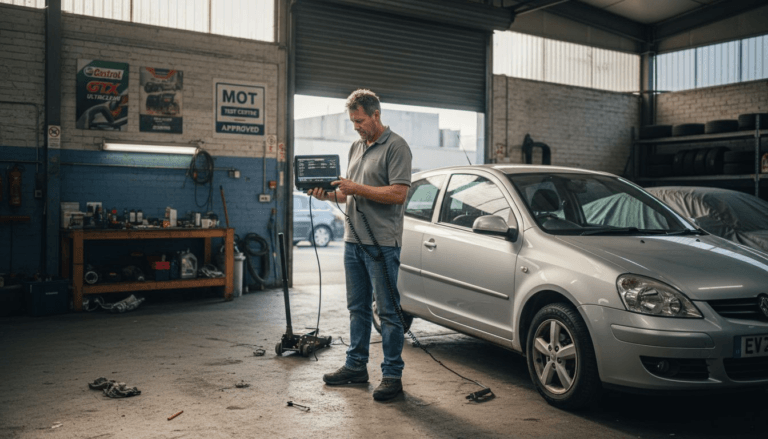
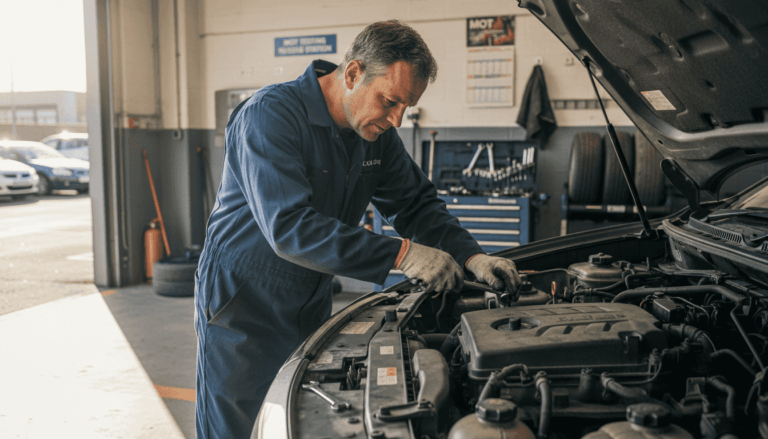
Begin by conducting a comprehensive pre-service inspection focused on several critical areas. Your assessment should include:
- Engine oil levels and quality
- Coolant condition and reservoir levels
- Brake fluid volume and clarity
- Tyre pressure and overall condition
- Visual inspection for potential fluid leaks
Prepare your workspace meticulously, ensuring you have adequate ventilation, proper lighting, and all necessary diagnostic tools readily accessible. A clean, organised environment significantly reduces potential complications during the carbon cleaning process.
Systematic preparation prevents potential performance issues and ensures a smooth service procedure.
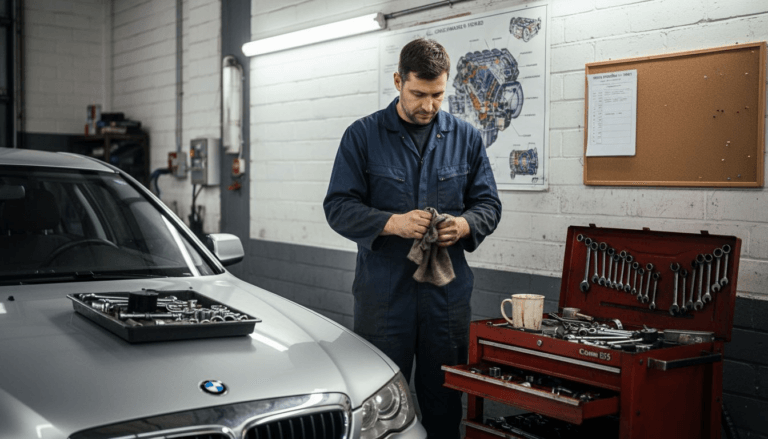
Ensure your workspace includes protective gear such as safety glasses, gloves, and appropriate clothing that can withstand potential automotive fluid contact. Position your vehicle on a level surface with sufficient clearance around the engine bay to facilitate unrestricted movement during the cleaning process.
Expert Tip: Always keep a clean, lint-free cloth nearby to manage any unexpected spills or drips during your vehicle assessment and carbon cleaning procedure.
Step 2: Select and Set Up Carbon Cleaning Equipment
Choosing and preparing the right equipment is critical for an effective engine carbon cleaning process. Carbon dioxide cleaning technologies offer multiple methods for removing stubborn engine deposits with precision and care.
Your equipment selection should focus on several key components:
- Professional-grade carbon cleaning machine
- High-pressure delivery system
- Precision nozzles for targeted cleaning
- Protective safety equipment
- Pressure regulation mechanisms
Ensure your chosen equipment matches your specific vehicle’s engine configuration. Different engines require nuanced approaches, so compatibility is paramount. Modern carbon cleaning machines typically include digital pressure controls and adjustable flow rate settings to accommodate various automotive systems.
Precise equipment configuration prevents potential engine damage during the carbon cleaning procedure.
Carefully inspect all equipment connections, ensuring tight seals and checking for any potential leaks or wear. Position your carbon cleaning machine within easy reach, with sufficient workspace to manoeuvre during the procedure. Verify all safety connections and calibrate pressure settings according to manufacturer recommendations.
Expert Tip: Always perform a preliminary equipment diagnostic check to confirm all settings and connections before commencing the carbon cleaning process.
Step 3: Connect Cleaning Equipment to Engine System
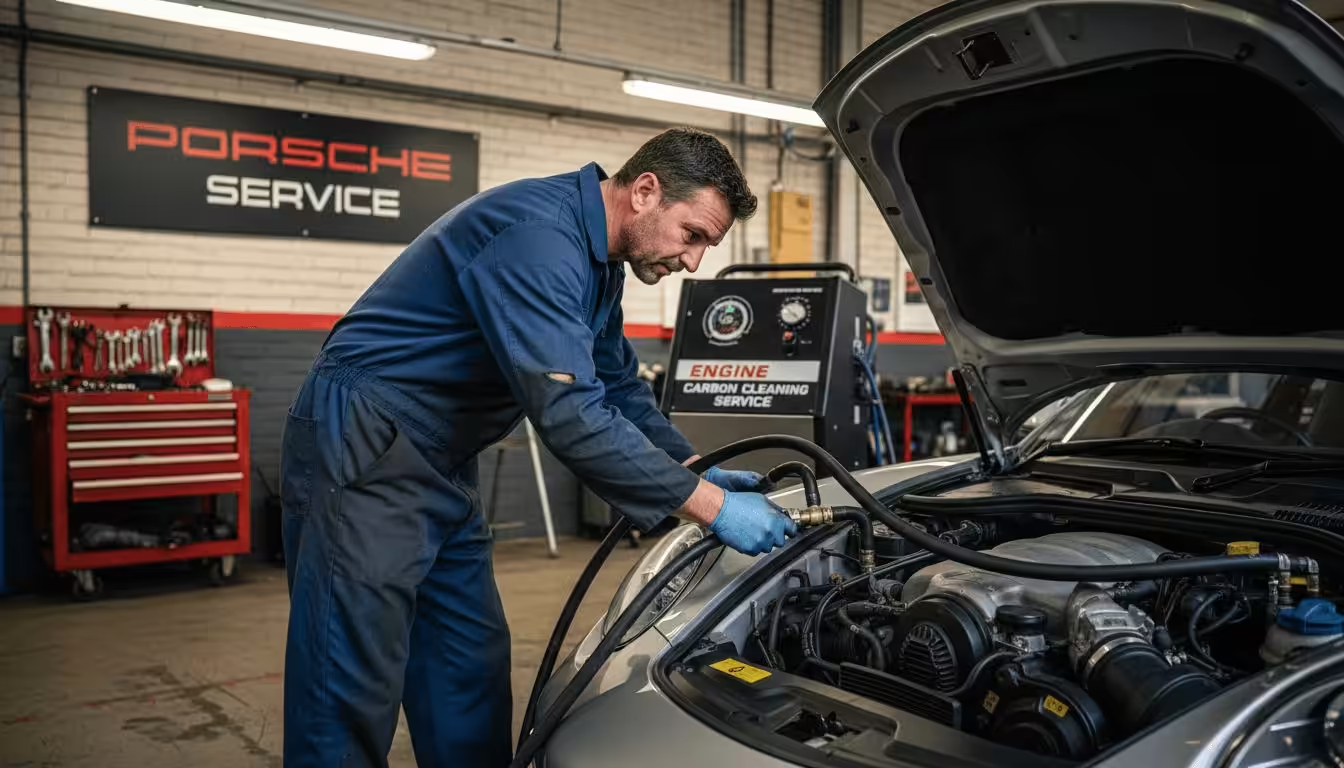
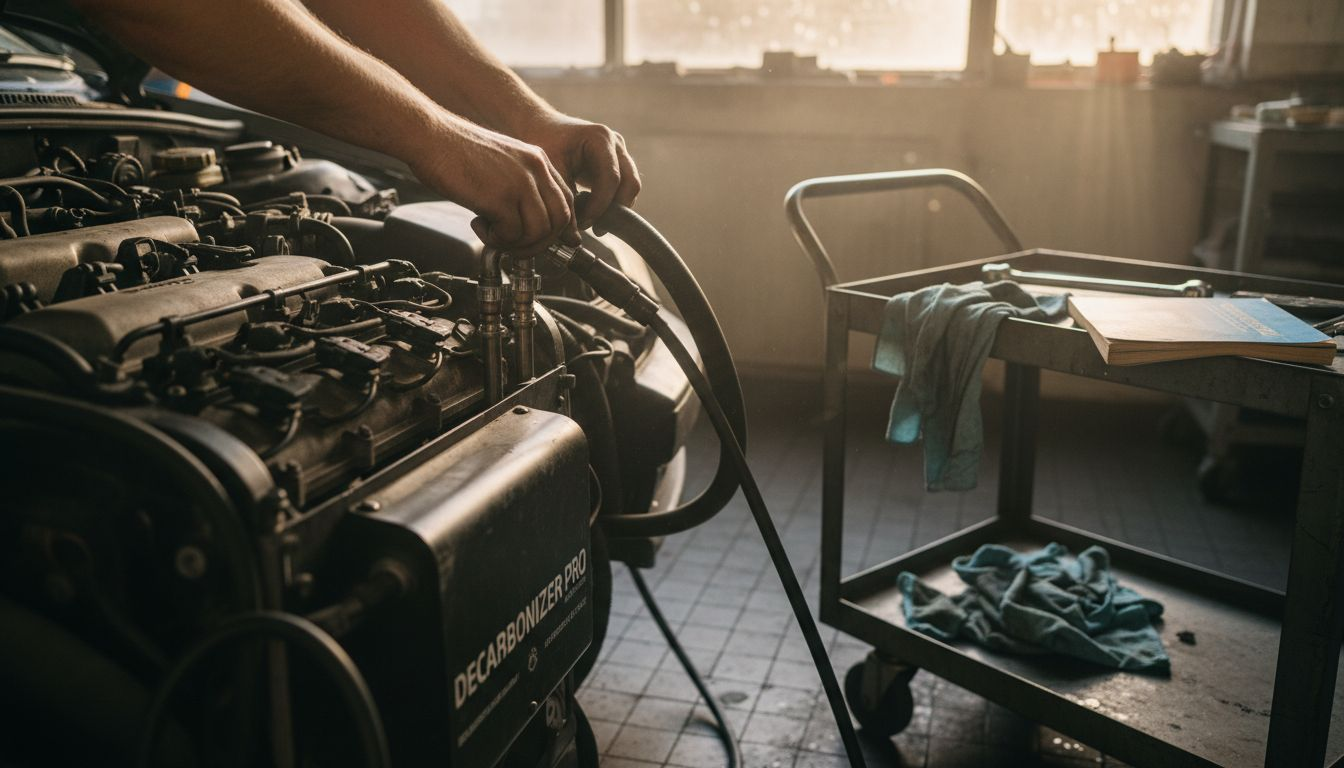
Connecting your carbon cleaning equipment requires precision and careful attention to ensure a safe and effective engine treatment. Carbon dioxide cleaning equipment connects via specialised nozzles to reach critical engine components with minimal risk of damage.
Follow these key connection steps:
- Locate the appropriate engine intake ports
- Select correct adapter attachments
- Inspect connection points for compatibility
- Ensure tight and secure seal
- Check pressure regulation mechanisms
Each connection point demands meticulous examination to prevent potential system contamination or unexpected pressure variations. Modern carbon cleaning machines include digital interfaces that help verify precise connections and monitor system integrity throughout the cleaning process.
Proper equipment connection is crucial for achieving optimal carbon removal without compromising engine performance.
Pay special attention to creating airtight seals between the cleaning equipment and engine system. Use manufacturer-recommended adapters and connectors specific to your vehicle’s make and model. Gently but firmly attach the cleaning equipment, avoiding excessive force that might damage sensitive engine components.
Expert Tip: Double-check all connection points and ensure each seal is secure before initiating the carbon cleaning procedure.
Step 4: Run Carbon Cleaning Cycle and Monitor Progress
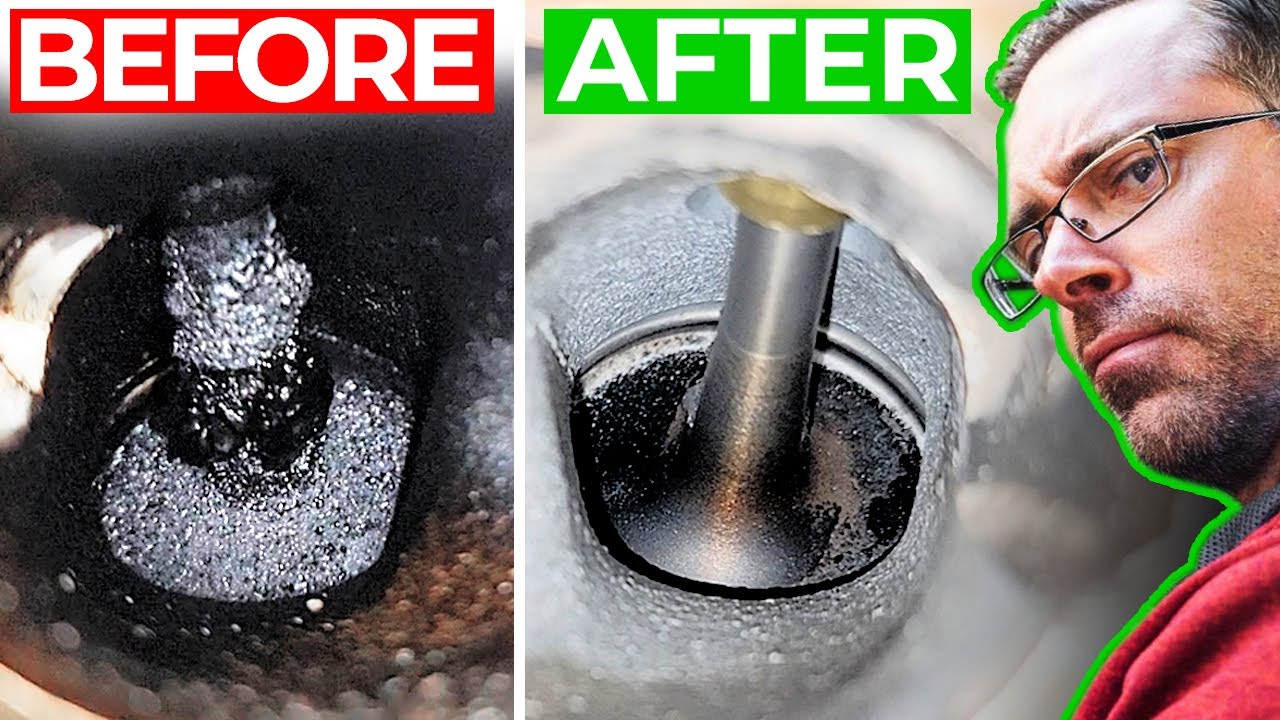
Initiating the carbon cleaning cycle requires systematic attention and careful observation to ensure optimal engine performance restoration. Carbon dioxide cleaning involves precise monitoring techniques to track debris removal and equipment functionality throughout the process.
Follow these critical monitoring steps during the cleaning cycle:
- Observe digital pressure readings
- Watch for particle emission changes
- Monitor equipment temperature
- Track cleaning duration
- Check real-time system performance indicators
The carbon cleaning machine’s digital interface provides comprehensive insights into the cleaning progression. Each data point offers valuable information about how effectively carbon deposits are being removed from your engine’s critical components. Pay close attention to pressure variations and emission patterns, which can indicate the thoroughness of the cleaning process.
Continuous monitoring ensures precise carbon removal without risking engine component damage.
Maintain a steady focus on the equipment’s performance throughout the cycle. Some carbon cleaning processes may take between 30 to 60 minutes, depending on your vehicle’s specific configuration and level of carbon buildup. Be prepared to make minor adjustments if the system indicates any irregularities during the cleaning procedure.
Expert Tip: Maintain a calm environment during the carbon cleaning cycle and avoid unnecessary distractions to ensure you can respond quickly to any equipment signals.
Step 5: Inspect Results and Test Engine Performance
After completing the carbon cleaning process, a comprehensive evaluation is crucial to validate the procedure’s effectiveness. Engine testing follows strict performance assessment protocols to ensure optimal mechanical functionality and emissions compliance.
Conduct a thorough post-cleaning performance assessment using these key diagnostic methods:
- Visual inspection of engine components
- Comprehensive diagnostic scan
- Idle stability assessment
- Acceleration and power output testing
- Emissions system evaluation
Utilise your vehicle’s onboard diagnostic system to retrieve detailed performance data. Look for improvements in critical areas such as fuel efficiency, smoothness of acceleration, and reduction of engine vibrations. Pay particular attention to changes in real-time sensor readings that indicate carbon deposit removal effectiveness.
Systematic post-cleaning inspection reveals the true impact of carbon cleaning on your engine’s overall performance.
Carry out a test drive to assess the practical improvements. Note any changes in engine responsiveness, reduced noise levels, and smoother acceleration. Compare current performance metrics with your vehicle’s baseline readings to quantify the carbon cleaning’s impact.
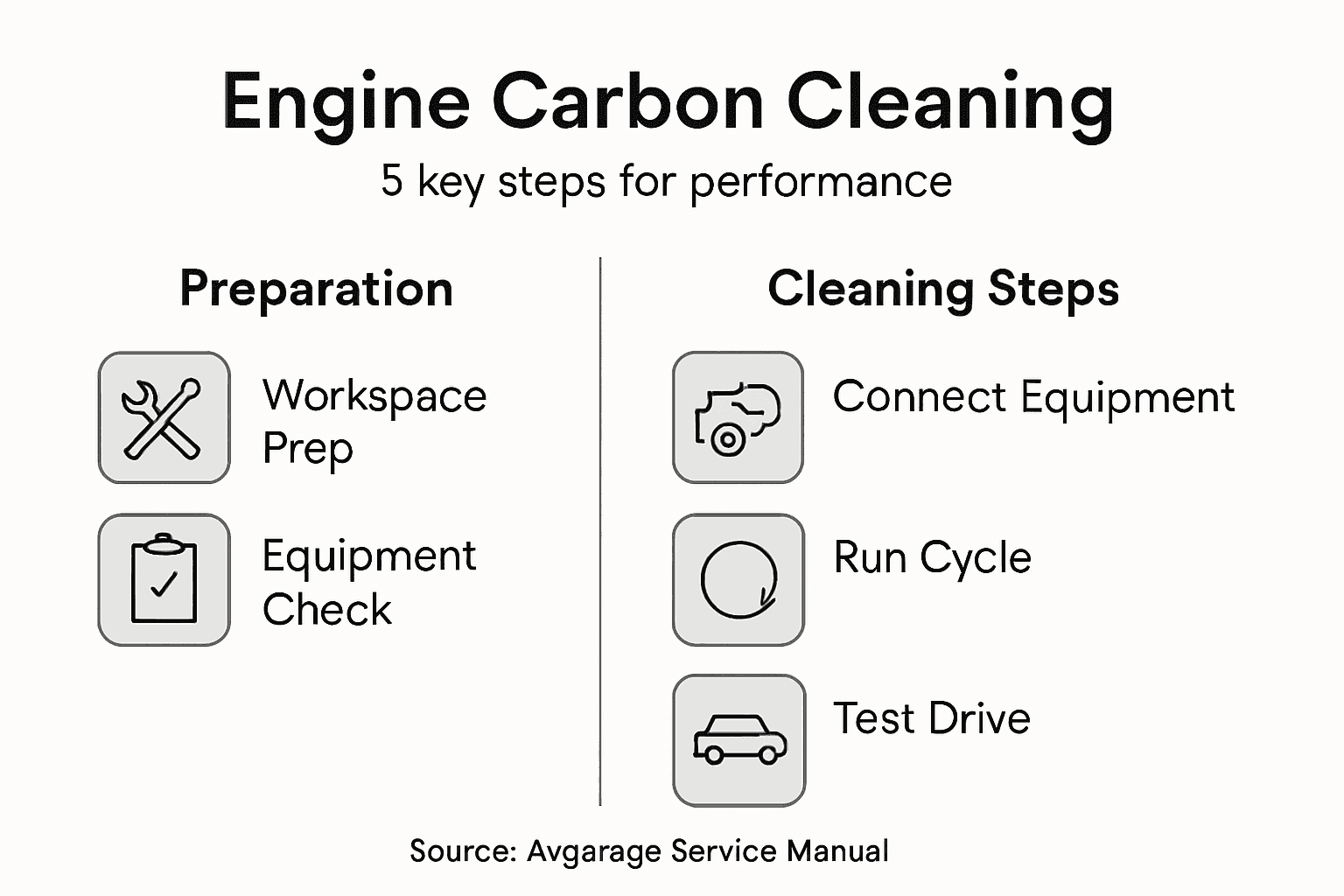
The following table summarises typical improvements observed after engine carbon cleaning:
| Parameter | Before Cleaning | After Cleaning |
|---|---|---|
| Fuel efficiency | Often reduced | Noticeably improved |
| Engine responsiveness | Sluggish or uneven | Smoother and more immediate |
| Idle stability | Fluctuating or rough | Consistent and steady |
| Emissions output | Elevated levels | Lower, closer to regulatory limits |
| Acceleration performance | Hesitant or delayed | Enhanced and more linear |
Expert Tip: Retain all diagnostic reports and performance data for future reference, as these can provide valuable insights into your vehicle’s ongoing maintenance needs.
Restore Your Engine’s Power with Expert Carbon Cleaning at Avgarage
Is your vehicle suffering from sluggish acceleration, fluctuating idle, or reduced fuel efficiency due to stubborn carbon deposits? The engine carbon cleaning process detailed in this article highlights the importance of precision equipment setup, thorough monitoring, and performance testing to remove these harmful buildups effectively and safely. At Avgarage, we understand the challenges of maintaining optimal engine condition, which is why our certified technicians use professional-grade equipment to deliver measurable improvements in engine responsiveness, emissions reduction, and overall performance.

Experience the benefits of expertly performed engine carbon cleaning today. Book your service online at Avgarage and take advantage of our transparent service packages and trusted workmanship. Don’t let carbon deposits rob your engine of its potential—visit Avgarage now to schedule your appointment and drive with renewed confidence.
Frequently Asked Questions
What is the engine carbon cleaning process?
The engine carbon cleaning process involves using specialised equipment to remove carbon deposits from engine components. Begin by assessing your vehicle’s condition, preparing your workspace, and selecting the appropriate carbon cleaning machine.
How do I prepare my vehicle for carbon cleaning?
To prepare your vehicle, conduct a thorough inspection of critical areas such as engine oil levels, coolant condition, and tyre pressure. Ensure your workspace is clean and organised, and wear protective gear to safeguard against automotive fluid contact.
What equipment is needed for engine carbon cleaning?
Essential equipment for engine carbon cleaning includes a professional-grade cleaning machine, high-pressure delivery systems, and precision nozzles. Set up your equipment according to your vehicle’s specifications to ensure effective cleaning without risking damage.
How do I monitor the cleaning process?
During the carbon cleaning cycle, monitor digital pressure readings, particle emissions, and equipment temperature. Track the performance indicators in real-time to ensure optimal carbon removal and adjust settings as necessary.
What should I check after carbon cleaning?
After the carbon cleaning process, perform a visual inspection, diagnostic scan, and test drive to assess engine performance. Look for improvements in fuel efficiency, idle stability, and acceleration to ensure the cleaning was effective.
How long does the carbon cleaning process take?
The carbon cleaning process typically takes between 30 to 60 minutes, depending on your vehicle’s specific configuration and carbon buildup. Be sure to monitor progress throughout to obtain the best results.