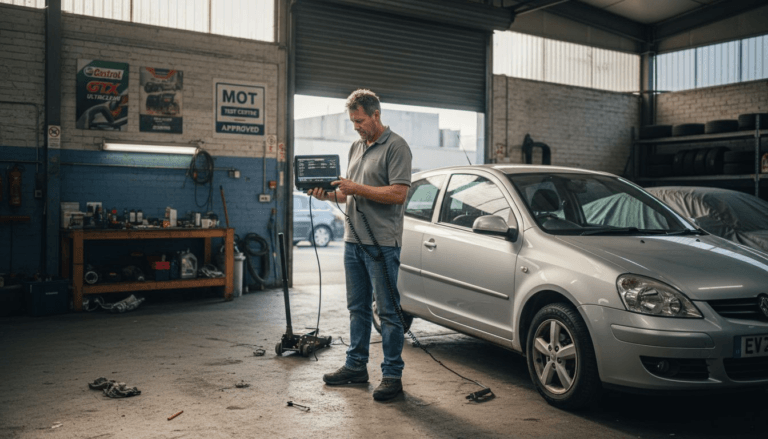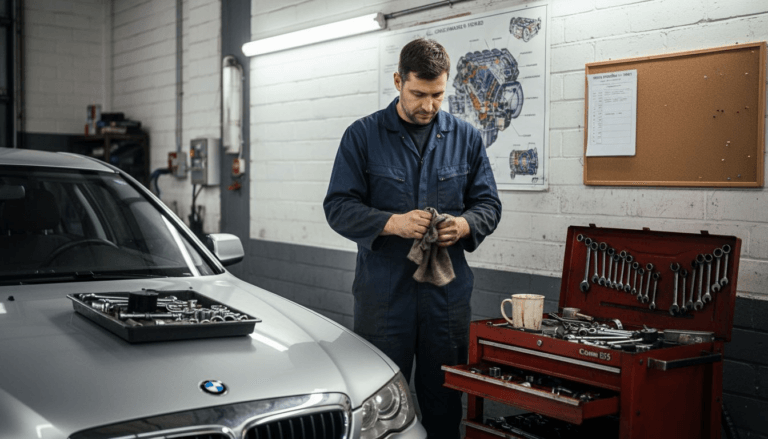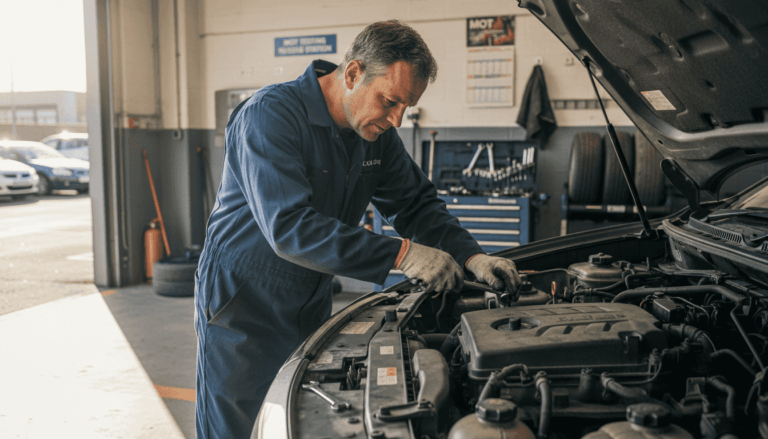



Transmission trouble can catch you off guard and turn a routine drive into a costly repair bill. Gearbox issues often start with small warning signs that are easy to miss until they escalate. Regular checks and maintenance are what keep your transmission running smoothly and prevent expensive surprises down the road.
This list gives you hands-on methods to spot early gearbox problems and maintain your vehicle’s performance. You will learn exactly where to look, what noises to listen for, and how to tell the difference between safe operation and signs of mechanical trouble.
Get ready to discover clear, actionable steps that protect your gearbox and your wallet. You are just moments away from the practical knowledge trusted by professional mechanics.
Table of Contents
- Check Gearbox Oil Level and Condition
- Inspect for Fluid Leaks Around the Gearbox
- Listen for Unusual Noises During Operation
- Test Gear Engagement and Smoothness
- Examine Clutch Function and Pedal Feel
- Look for Signs of Wear on Gear Linkages
- Schedule Regular Professional Inspections
Quick Summary
| Key Message | Explanation |
|---|---|
| 1. Regularly check gearbox oil level | Ensure the oil level is within the recommended markings to avoid transmission problems and premature wear. |
| 2. Inspect for fluid leaks frequently | Identify and address any leaks around the gearbox to prevent costly repairs and vehicle damage. |
| 3. Listen for unusual noises during operation | Distinct sounds like whining or grinding can signal urgent mechanical issues before visible damage occurs. |
| 4. Test smoothness of gear engagement | Check for smooth transitions and immediate responses to ensure your transmission is functioning correctly. |
| 5. Schedule professional inspections regularly | Conduct comprehensive gearbox assessments twice a year or every 30,000 miles to maintain optimal performance and longevity. |
1. Check Gearbox Oil Level and Condition
Maintaining proper gearbox oil levels is critical for ensuring your vehicle’s transmission performs smoothly and efficiently. Your gearbox relies on clean lubricant to reduce friction and prevent premature mechanical wear.
Checking your gearbox oil involves several key steps:
- Locate the gearbox oil sight glass or dipstick in your vehicle
- Ensure the vehicle is parked on a level surface
- Check the oil level when the transmission is at normal operating temperature
- Verify the fluid falls within the recommended markings
Regular inspection helps you detect potential transmission problems before they escalate into costly repairs. Proper lubrication reduces friction and heat buildup which can cause significant mechanical damage.
When examining the oil, look for these warning signs:
- Unusual discolouration (dark or muddy appearance)
- Presence of metal particles
- Burning smell
- Consistency changes
A well-maintained gearbox oil system is your first line of defence against transmission failure.
Pro tip: Keep a clean white cloth or paper towel handy when checking oil to help you accurately assess its condition and colour.
2. Inspect for Fluid Leaks Around the Gearbox
Identifying and addressing gearbox fluid leaks early can save you from expensive transmission repairs and potential vehicle damage. Fluid leaks are more than just unsightly stains on your garage floor they signal potential serious mechanical issues.
When inspecting for gearbox leaks, pay attention to several critical areas:
- Gearbox seals and gaskets
- Sealing caps and end covers
- Transmission pan junctions
- Around bolts and connection points
Identifying leak sources requires systematic checking and understanding common failure points. Potential causes of leaks include:
- Worn or damaged seals
- Overfilled transmission fluid
- Blocked breather systems
- Cracked gearbox housing
A small leak today could become a significant transmission failure tomorrow.
To effectively diagnose leaks, clean the gearbox exterior thoroughly and inspect again within 24 hours. This helps confirm the leak’s origin and prevents misdiagnosing transient moisture or splashed fluids.
Pro tip: Keep a clean white cardboard or large piece of paper under your vehicle overnight to help accurately trace and measure fluid leakage.
3. Listen for Unusual Noises During Operation
Your gearbox speaks a language of sounds that can reveal critical mechanical health long before visible damage occurs. Understanding these acoustic warning signals is crucial for preventing costly transmission failures.
Diagnostic noise patterns help identify potential issues through distinct sound characteristics:
- Whining noises: Often indicate gear tooth wear or lubrication problems
- Grinding sounds: Suggest metal-to-metal contact or misalignment
- Knocking: May signal bearing damage or loose internal components
- Clicking: Could represent worn synchroniser rings
Pay particular attention to these noise variations during different driving conditions:
- Accelerating
- Decelerating
- Changing gears
- Maintaining steady speeds
Unusual gearbox sounds are your vehicle’s way of sending an urgent maintenance message.
Professional mechanics recommend recording unusual sounds on your smartphone to assist diagnostic processes. Modern technological tools like ultrasonic detectors can provide additional insights into potential mechanical issues.
Pro tip: Always listen carefully when your vehicle is in neutral to distinguish between engine and transmission-related noises.
4. Test Gear Engagement and Smoothness
Your vehicle’s transmission performance hinges on precise and seamless gear engagement. Understanding how to assess your gearbox’s shifting quality can prevent potential mechanical complications before they escalate.
Comprehensive gear engagement tests involve several critical evaluation methods:
- Checking for smooth transitions between gears
- Monitoring shift response times
- Listening for unusual sounds during gear changes
- Assessing lever movement resistance
Key indicators of healthy gear engagement include:
- No grinding or hesitation when shifting
- Consistent gear lever movement
- Predictable and immediate response
- Absence of slipping or delayed engagement
Smooth gear transitions are the heartbeat of a well-maintained transmission.
Manual transmission vehicles require particular attention to clutch interaction and synchroniser performance. Automatic transmissions demand careful monitoring of fluid pressure and electronic control system responsiveness.
Pro tip: When testing gear engagement perform checks in a safe environment like an empty car park where you can focus entirely on sensing subtle transmission behaviours.
5. Examine Clutch Function and Pedal Feel
Your vehicle’s clutch system is a complex mechanical interface that demands regular attention and precise evaluation. Understanding how to assess its performance can prevent costly transmission damage and maintain smooth driving experience.
Clutch maintenance fundamentals involve carefully examining several critical aspects:
- Pedal resistance and travel distance
- Smooth engagement and disengagement
- Hydraulic system fluid levels
- Cable tension and wear
Key indicators of healthy clutch performance include:
- Consistent pedal feel
- No grinding or slipping during gear changes
- Predictable friction point
- Smooth power transfer
- No unusual noises or vibrations
A well-maintained clutch is the silent guardian of your transmission’s longevity.
Pay particular attention to these warning signs of potential clutch wear:
- Slipping during acceleration
- High or soft pedal engagement
- Burning smell during operation
- Difficulty shifting gears
Pro tip: When checking clutch function perform tests in a safe environment with minimal traffic to focus entirely on sensing subtle mechanical behaviours.
6. Look for Signs of Wear on Gear Linkages
Gear linkages are the critical communication pathway between your gear selector and transmission system. Understanding how to assess their condition can prevent unexpected mechanical failures and maintain smooth vehicle operation.
Mechanical linkage inspection requires careful examination of several key components:
- Physical connection points
- Cable tension and flexibility
- Pivot joint conditions
- Mounting bracket integrity
- Corrosion and rust levels
Critical wear indicators to watch for include:
- Excessive play or looseness
- Visible metal scoring
- Misalignment between components
- Unusual resistance during gear selection
- Corrosion or material degradation
Proactive linkage maintenance prevents costly transmission repairs.
Your visual inspection should focus on detecting subtle changes in mechanical connections that might compromise gear shifting precision. Pay special attention to areas prone to moisture and friction.
Pro tip: Perform linkage inspections when the vehicle is stationary and use a torch to illuminate hard to see connection points.
7. Schedule Regular Professional Inspections
Professional gearbox inspections represent the ultimate safeguard for your vehicle’s transmission system. These comprehensive assessments go far beyond basic visual checks ensuring your vehicle’s critical mechanical components remain in optimal condition.
Preventive maintenance strategies involve sophisticated diagnostic techniques that help identify potential issues before they escalate:
- Comprehensive oil condition analysis
- Advanced vibration monitoring
- Precise alignment verification
- Structural integrity assessment
- Temperature performance evaluation
Key benefits of professional inspections include:
- Early detection of potential failures
- Extending gearbox operational lifespan
- Preventing unexpected mechanical breakdowns
- Maintaining optimal transmission performance
- Reducing long term repair costs
Professional inspections transform potential catastrophic failures into manageable maintenance.
Most automotive experts recommend scheduling professional transmission inspections at least twice per year or every 30000 miles. The specific frequency can vary depending on your vehicle’s make model and typical driving conditions.
Pro tip: Maintain a detailed service record documenting each professional inspection to track your vehicle’s transmission health and support potential warranty claims.
Below is a comprehensive table summarising the main maintenance steps and considerations for gearbox upkeep as discussed throughout the article.
| Maintenance Aspect | Actions and Observations | Key Benefits |
|---|---|---|
| Check gearbox oil level and condition | Inspect visually for proper levels; verify absence of discolouration and metal particles. | Ensures optimal lubrication, prevents wear. |
| Inspect for fluid leaks | Examine seals, gaskets, and connectors for any signs of escape or degradation. | Detect leaks early, avoid extensive damage. |
| Listen for unusual noises | Pay attention to specific sounds during operation, such as whining or grinding. | Identifies internal issues potentially promptly. |
| Test gear engagement and smoothness | Ensure seamless shifts and no resistance or delays during gear changes. | Maintains driving comfort and operational safety. |
| Examine clutch function and pedal feel | Evaluate pedal response, smooth clutch interactions, and absence of slipping. | Prevents clutch-related transmission failures. |
| Observe gear linkage conditions | Check for wear, rust, secure fastenings, and proper alignment and tension. | Ensures precise gear selection performance. |
| Schedule regular professional reviews | Engage experts for in-depth assessments and diagnostic evaluations biannually. | Prolongs gearbox lifespan, ensures safety. |
This table highlights the essential steps for proper gearbox maintenance to ensure vehicle performance and reliability.
Keep Your Gearbox in Top Shape with Expert Help from Avgarage
The “7 Essential Steps for Your Gearbox Maintenance Checklist” highlights key challenges like detecting fluid leaks early, ensuring smooth gear engagement, and assessing clutch function to avoid costly gearbox failures. These tasks require precision and professional attention to protect your vehicle’s transmission and prevent unexpected breakdowns. With Avgarage’s skilled technicians and comprehensive maintenance services, including gearbox oil changes and diagnostic checks, you can have peace of mind knowing your gearbox is cared for with the highest standards.
Ready to maintain a smooth and reliable ride? Book your service online now at Avgarage to access expert gearbox maintenance tailored for your vehicle. Don’t wait until small issues become big problems. Explore our full range of vehicle maintenance services and ensure your gearbox performs flawlessly every mile.
Frequently Asked Questions
How often should I check my gearbox oil level?
It’s essential to check your gearbox oil level every few months or at least before long journeys. Maintain proper oil levels to ensure smooth transmission performance and prevent mechanical wear.
What should I do if I notice a gearbox fluid leak?
If you detect a fluid leak, clean the gearbox exterior and inspect it after 24 hours to determine the source. Address any identified leaks promptly to avoid escalating damage and costly repairs.
How can I tell if my vehicle’s gear engagement is smooth?
Monitor your vehicle’s gear transitions during driving; they should be seamless without hesitation or grinding noises. Conduct these checks in a safe environment to fully focus on the transmission’s behaviour, ideally testing over varied driving conditions.
What signs indicate clutch wear in my vehicle?
Key indicators of clutch wear include slipping during acceleration, unusual pedal resistance, or difficulty shifting gears. If you notice any of these signs, assess the clutch’s condition immediately to prevent further complications.
What are the benefits of scheduling professional gearbox inspections?
Scheduling professional inspections can help detect issues early, extend the gearbox’s lifespan, and prevent unexpected mechanical failures. Aim to arrange inspections at least twice a year or every 30,000 miles to ensure optimal performance.