

Busy days in Corby mean vehicle trouble can quickly turn from an inconvenience into a costly setback. Regular maintenance is not just about ticking boxes but is a critical investment in your car’s safety, value, and performance. Following manufacturer schedules and completing scheduled inspections helps to prevent expensive mechanical failures before they begin. Learn how professional servicing keeps your vehicle reliable and your wallet protected, no matter what your week brings.
Table of Contents
- Defining Vehicle Maintenance And Misconceptions
- Routine Servicing, MOTs, And Preventative Checks
- Safety, Performance, And Environmental Impact
- Legal Responsibilities And Compliance In The UK
- Financial Risks Of Neglecting Maintenance
Key Takeaways
| Point | Details |
|---|---|
| Importance of Routine Maintenance | Regular vehicle maintenance is essential for performance and safety, preventing costly breakdowns and extending operational lifespan. |
| Legal Responsibilities | Vehicle owners must comply with UK regulations regarding maintenance and safety inspections to avoid fines and potential vehicle seizure. |
| Cost Implications of Neglect | Neglecting maintenance can lead to escalating repair costs and reduced vehicle reliability, making routine servicing a worthwhile investment. |
| Positive Environmental Impact | Responsible vehicle maintenance practices contribute to environmental sustainability by ensuring proper waste management and reducing harmful emissions. |
Defining Vehicle Maintenance and Misconceptions
Vehicle maintenance represents a structured approach to preserving your vehicle’s performance, safety, and longevity through systematic care and professional servicing. At its core, maintenance involves routine scheduled inspections and replacements) that prevent mechanical deterioration and potential expensive failures.
Many vehicle owners misunderstand maintenance, believing it to be an optional expense rather than a critical investment. Contrary to popular belief, maintenance is not simply about fixing problems after they emerge, but proactively preventing them. Manufacturers design specific service intervals to ensure optimal vehicle function, which includes tasks like oil changes, brake system checks, tyre rotations, and coolant replacements. These scheduled services are scientifically calculated to maintain your vehicle’s original engineering specifications and performance standards.
Understanding maintenance requires dispelling several common misconceptions. Many drivers believe that newer vehicles require less maintenance, which is fundamentally incorrect. While modern cars are technologically advanced, they still demand consistent professional attention. Another prevalent myth is that maintenance costs outweigh potential repair expenses, when in reality, routine upkeep prevents costly mechanical breakdowns and extends your vehicle’s operational lifespan.
Here’s a summary of common vehicle maintenance misconceptions and the reality behind each:
| Misconception | The Reality | Impact on Vehicle |
|---|---|---|
| New cars need less care | All vehicles require consistent maintenance | Prevents premature faults |
| Maintenance is optional | It is a critical investment for longevity | Reduces costly breakdowns |
| Costs outweigh benefits | Upkeep saves money over the vehicle’s lifespan | Protects resale value |
Pro tip: Keep a detailed maintenance log documenting every service, which not only helps track your vehicle’s health but also significantly increases its resale value when you decide to sell.
Routine Servicing, MOTs, and Preventative Checks
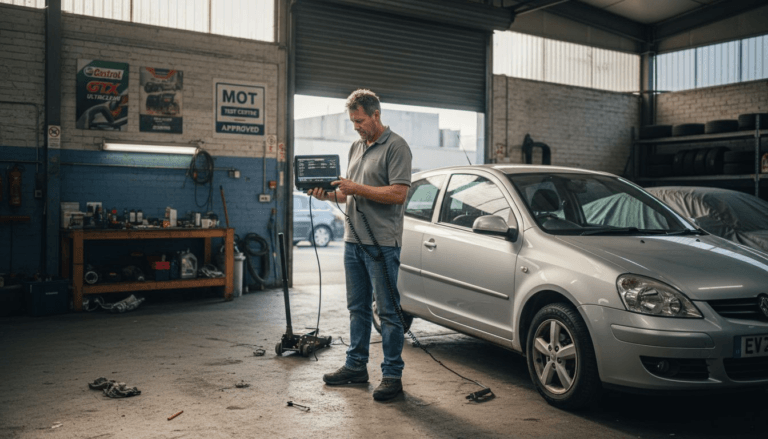
Routine servicing represents a critical aspect of vehicle maintenance, designed to ensure your vehicle remains safe, efficient, and compliant with legal requirements. In the United Kingdom, routine vehicle inspections are mandated by government regulations to guarantee roadworthiness and prevent potential mechanical failures.
MOT tests, which are annual mandatory inspections for vehicles over three years old, examine crucial safety components including brakes, tyres, lights, and structural integrity. These comprehensive checks go beyond simple visual assessments, involving detailed diagnostic procedures to identify potential mechanical issues before they become serious problems. Preventative maintenance forms the cornerstone of these inspections, focusing on identifying and addressing potential vulnerabilities in your vehicle’s systems before they escalate into costly repairs.
Drivers in Corby should understand that preventative maintenance involves systematic safety checks that extend far beyond annual MOT requirements. This includes regular tyre pressure monitoring, brake system evaluations, fluid level inspections, and understanding manufacturer-recommended service intervals. By proactively managing these elements, vehicle owners can significantly reduce the risk of unexpected breakdowns, enhance vehicle performance, and maintain optimal safety standards.
Pro tip: Create a digital or physical maintenance calendar that tracks your vehicle’s service history, MOT dates, and upcoming recommended checks to ensure you never miss a crucial maintenance milestone.
Safety, Performance, and Environmental Impact
Vehicle maintenance plays a crucial role in ensuring comprehensive safety, optimal performance, and responsible environmental stewardship. Safety standards directly correlate with maintenance quality, with systematic mechanical checks significantly reducing the probability of unexpected failures that could compromise driver and passenger protection.
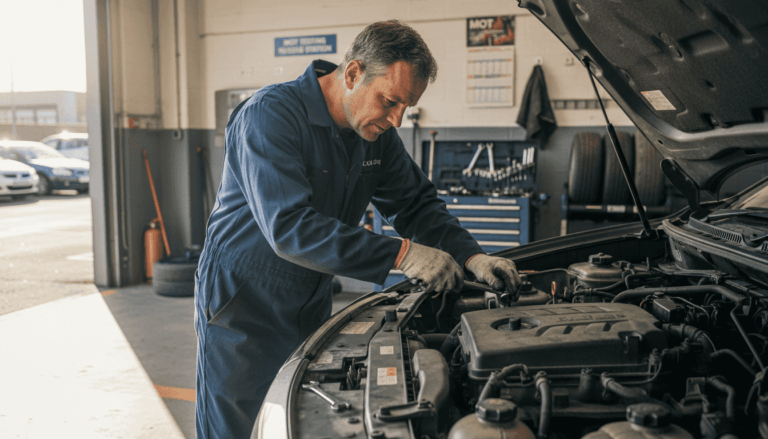
Performance is intrinsically linked to regular maintenance, with well-serviced vehicles demonstrating superior fuel efficiency, smoother operational characteristics, and extended mechanical longevity. Critical systems such as braking mechanisms, engine components, and transmission systems require consistent professional attention to maintain their designed operational parameters, ensuring your vehicle performs precisely as manufacturers intended.
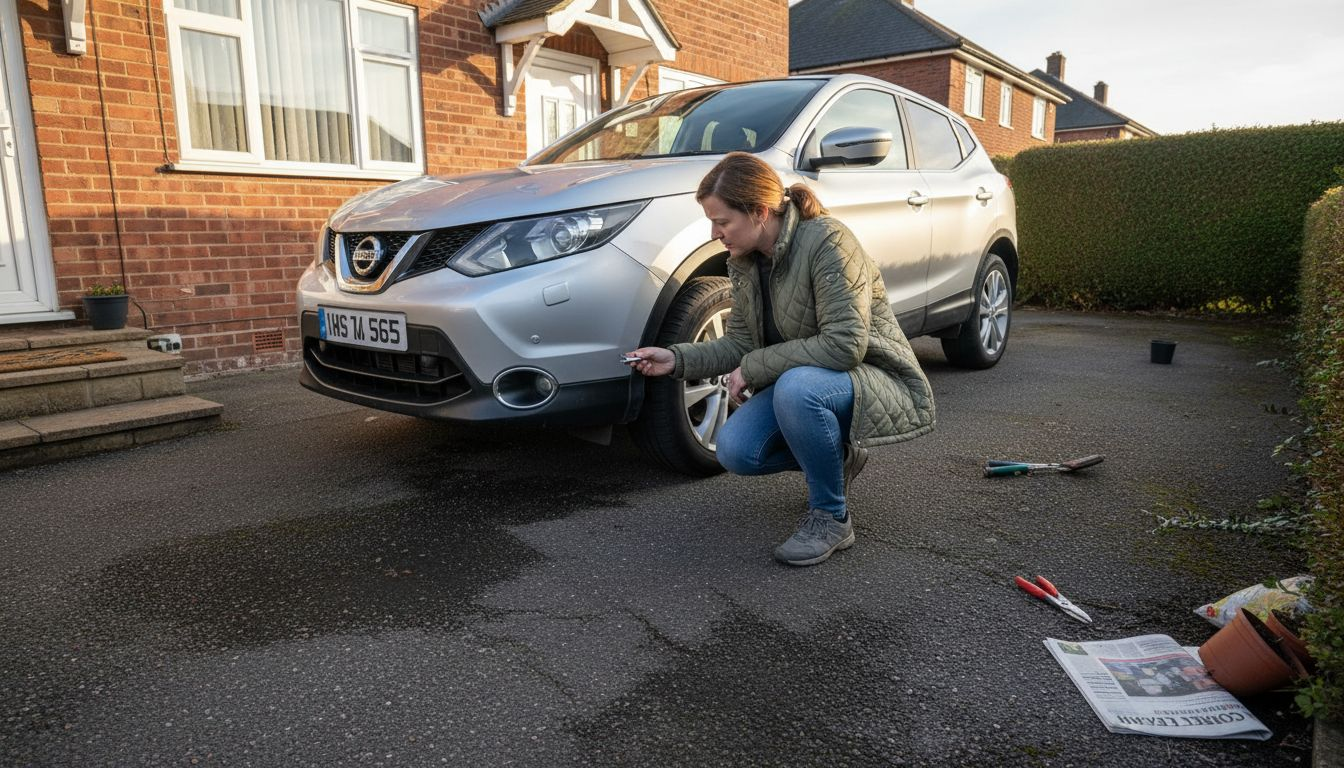
Environmental considerations are equally paramount during vehicle maintenance, with responsible fluid management and disposal practices playing a significant role in minimising ecological impact. Proper handling of potentially hazardous materials like motor oil, coolant, and brake fluid prevents soil and water contamination, demonstrating that vehicle maintenance extends beyond mechanical performance to broader environmental responsibility. Vehicle owners in Corby can contribute to sustainable practices by choosing certified mechanics who follow environmentally conscious waste management protocols.
Pro tip: Request an environmentally certified mechanic who can provide documented proof of responsible fluid disposal and recycling practices during your vehicle’s maintenance service.
Legal Responsibilities and Compliance in the UK
In the United Kingdom, vehicle maintenance is not merely a recommended practice but a legal obligation that encompasses multiple regulatory requirements. Comprehensive legal responsibilities govern vehicle roadworthiness, placing significant emphasis on proactive maintenance and regular safety inspections to ensure public safety and vehicular compliance.
For individual vehicle owners and commercial operators alike, the legal framework mandates systematic documentation, periodic inspections, and adherence to manufacturer-recommended maintenance schedules. This includes mandatory MOT tests, maintaining accurate service records, and ensuring that vehicles meet the minimum safety standards prescribed by Road Traffic legislation. Failure to comply with these regulations can result in substantial financial penalties, potential vehicle seizure, and invalidation of insurance coverage.
Employer obligations extend beyond personal vehicle maintenance, with businesses required to implement robust maintenance programs that protect both employees and the general public. These legal requirements demand comprehensive risk assessments, driver training, regular vehicle safety checks, and meticulous record-keeping to demonstrate ongoing compliance with Health and Safety Executive guidelines. Vehicle owners in Corby must understand that legal responsibility is a continuous process involving proactive management, professional servicing, and strict adherence to national automotive safety standards.
Pro tip: Maintain a comprehensive digital and physical maintenance portfolio documenting every service, inspection, and repair to provide robust evidence of your commitment to legal compliance and vehicle safety.
Financial Risks of Neglecting Maintenance
Neglecting vehicle maintenance represents a significant financial risk that can transform minor mechanical issues into substantial monetary burdens. Vehicle maintenance costs escalate dramatically with delayed repairs, with seemingly minor problems potentially developing into expensive comprehensive system failures that can dramatically reduce your vehicle’s operational lifespan and market value.
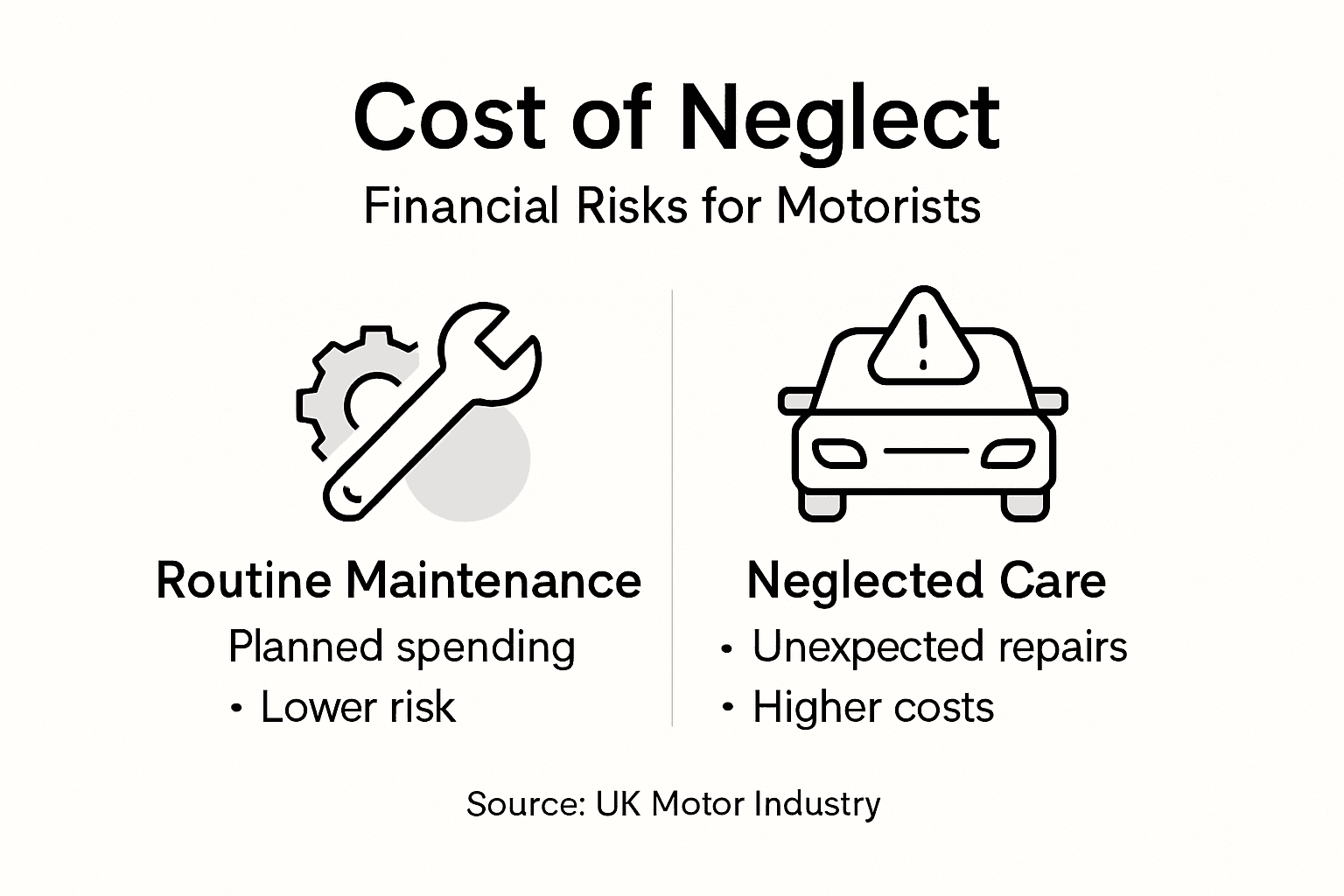
The financial implications of maintenance neglect extend far beyond immediate repair costs. Vehicles that do not receive regular servicing experience accelerated mechanical wear, reduced fuel efficiency, and increased probability of unexpected breakdowns. These factors contribute to higher long-term expenses, including increased fuel consumption, more frequent part replacements, and potential loss of vehicle reliability. Luxury and high-performance vehicles are particularly susceptible to rapid value depreciation when maintenance protocols are not consistently followed.
Unexpected repair expenses can significantly impact personal budgets, with studies demonstrating that proactive maintenance can reduce overall automotive operational costs by up to 40%. Vehicle owners in Corby should understand that routine servicing is not an expense but a strategic investment that protects both their vehicle’s performance and their financial stability. Regular maintenance helps identify potential issues before they become catastrophic, preventing costly emergency repairs and preserving the vehicle’s mechanical integrity.
Compare the effects of routine maintenance versus neglect:
| Aspect | Maintained Vehicle | Neglected Vehicle |
|---|---|---|
| Safety | Consistently high, fewer failures | Increased risk, vulnerable |
| Performance | Optimal operation, smooth driving | Diminished efficiency, rougher |
| Costs over time | Lower, predictable expenses | High, unexpected repairs |
| Environmental impact | Responsible waste management | Hazardous fluid disposal risks |
Pro tip: Establish a dedicated vehicle maintenance savings fund, allocating a small monthly amount to cover routine services and potential unexpected repairs, effectively spreading financial risk and preventing sudden monetary strain.
Take Control of Your Vehicle Maintenance in Corby with Expert Support
Maintaining your vehicle’s safety, performance, and legal compliance is essential to avoid costly repairs and maximise longevity. If you want to overcome common challenges such as missing routine servicing, managing MOT deadlines, or ensuring environmentally responsible maintenance, trust Avgarage in Corby. Our certified mechanics bring over 10 years of experience using high-quality parts to keep your vehicle running smoothly and safely while protecting its resale value.
Ready to prevent unexpected breakdowns and legal penalties through professional vehicle care You can easily book your tailored service online at Avgarage. From routine servicing and diagnostics to specialised repairs we provide transparent, reliable solutions designed specifically for Corby drivers who value peace of mind and expert attention. Visit Avgarage now and secure your next appointment to protect your investment and stay confidently on the road.
Frequently Asked Questions
What is the importance of routine vehicle maintenance?
Routine vehicle maintenance is essential for ensuring safety, optimal performance, and longevity of your vehicle. It involves systematic inspections and servicing that help prevent mechanical failures and expensive repairs.
How often should I have my vehicle serviced?
It is recommended to follow the manufacturer’s service intervals outlined in the vehicle manual. Generally, routine servicing should occur every 6 to 12 months, depending on the vehicle’s usage and type.
What are the most common maintenance tasks I should perform?
Common maintenance tasks include oil changes, tyre rotations, brake checks, fluid level inspections, and replacing worn-out parts. Regularly checking these components helps maintain your vehicle’s performance and safety.
Can neglecting vehicle maintenance lead to financial risks?
Yes, neglecting maintenance can lead to significant financial risks. Minor issues can escalate into expensive repairs, decreased fuel efficiency, and diminished vehicle value, ultimately resulting in higher long-term costs.