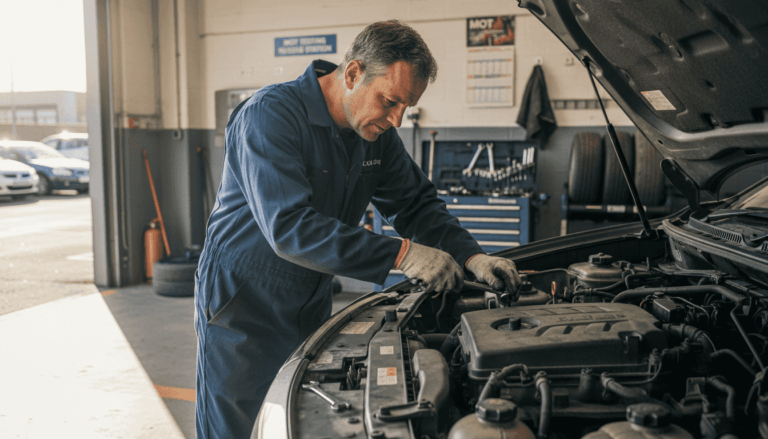



Rough idling or sluggish acceleration can make any Corby driver worry about unexpected repair bills and wasted fuel. When carbon deposits build up from incomplete combustion, they quietly rob your engine of power, efficiency, and reliability. Investing in professional engine carbon cleaning addresses these hidden problems before they escalate, helping you keep your vehicle running smoothly, pass MOT tests, and avoid expensive breakdowns.
Table of Contents
- Engine Carbon Cleaning Explained and Misconceptions
- How Carbon Build-Up Impacts Performance
- Types of Engine Carbon Cleaning Methods
- Risks and Validity: Safety, Damage, and Warranty
- Practical Benefits: Cost Savings and MOT Compliance
Key Takeaways
| Point | Details |
|---|---|
| Carbon Buildup Affects Performance | Modern engines, especially direct injection types, are prone to carbon buildup, leading to reduced power and efficiency. Regular cleaning is essential to maintain performance. |
| Professional Cleaning Methods Vary | Different techniques such as chemical cleaning, hydrogen cleaning, and walnut shell blasting offer varying effectiveness depending on the degree of carbon deposits. Consult a professional for the best method. |
| Regular Maintenance is Cost-Effective | Routine carbon cleaning can enhance fuel efficiency, extend engine lifespan, and reduce your overall repair costs, providing long-term savings. |
| Impact on Vehicle Warranty | Ensure your carbon cleaning methods comply with manufacturer guidelines to avoid potential issues with warranty coverage during maintenance. |
Engine Carbon Cleaning Explained and Misconceptions
Engine carbon cleaning addresses a critical maintenance issue that affects modern vehicles, particularly those with direct injection and turbocharged engines. Carbon buildup in engine components represents a significant challenge for automotive performance and longevity.
Modern engines are increasingly susceptible to carbon deposit accumulation, which occurs when incomplete combustion leaves residue on critical engine parts like intake valves, fuel injectors, and combustion chambers. This gradual process can lead to several problematic symptoms:
- Reduced engine power
- Rough engine idling
- Decreased fuel efficiency
- Increased exhaust emissions
- Potential long-term engine damage
Contrary to popular misconceptions, carbon buildup isn’t just a minor inconvenience. It represents a serious mechanical issue that can compromise your vehicle’s performance and potentially lead to expensive repairs. Direct injection engines are particularly vulnerable, as their fuel delivery mechanism makes them more prone to carbon deposit formation.
Carbon deposits are not just a cosmetic issue – they can fundamentally degrade your engine’s operational efficiency.
Professional engine carbon cleaning involves specialised techniques that remove these stubborn deposits, restoring your engine’s original performance characteristics. Technicians use advanced cleaning solutions and precise methods to eliminate carbon buildup without causing additional mechanical stress.
Pro tip: Schedule professional engine carbon cleaning every 30,000 miles or when you notice performance inconsistencies to maintain your vehicle’s optimal functionality.
How Carbon Build-Up Impacts Performance
Carbon build-up is a silent performance killer that gradually undermines your vehicle’s operational efficiency. Carbon deposits significantly impact engine performance by creating multiple mechanical challenges that compromise your car’s overall functionality.
The accumulation of carbon deposits creates a cascade of performance-related problems that affect various critical engine components:
- Reduced air and fuel flow through intake valves
- Disrupted fuel atomisation processes
- Increased friction between moving engine parts
- Compromised combustion chamber efficiency
- Higher fuel consumption rates
Combustion efficiency becomes severely compromised as these deposits obstruct critical engine pathways. When carbon build-up accumulates, it creates physical barriers that prevent optimal fuel delivery and air mixing, resulting in incomplete combustion cycles.
Carbon build-up transforms your efficient engine into a struggling, underperforming machine.
The most significant performance impacts include decreased power output, rough engine idling, and potential long-term mechanical damage. Direct injection engines are particularly susceptible, as their precision fuel delivery systems are more vulnerable to carbon deposit interference.
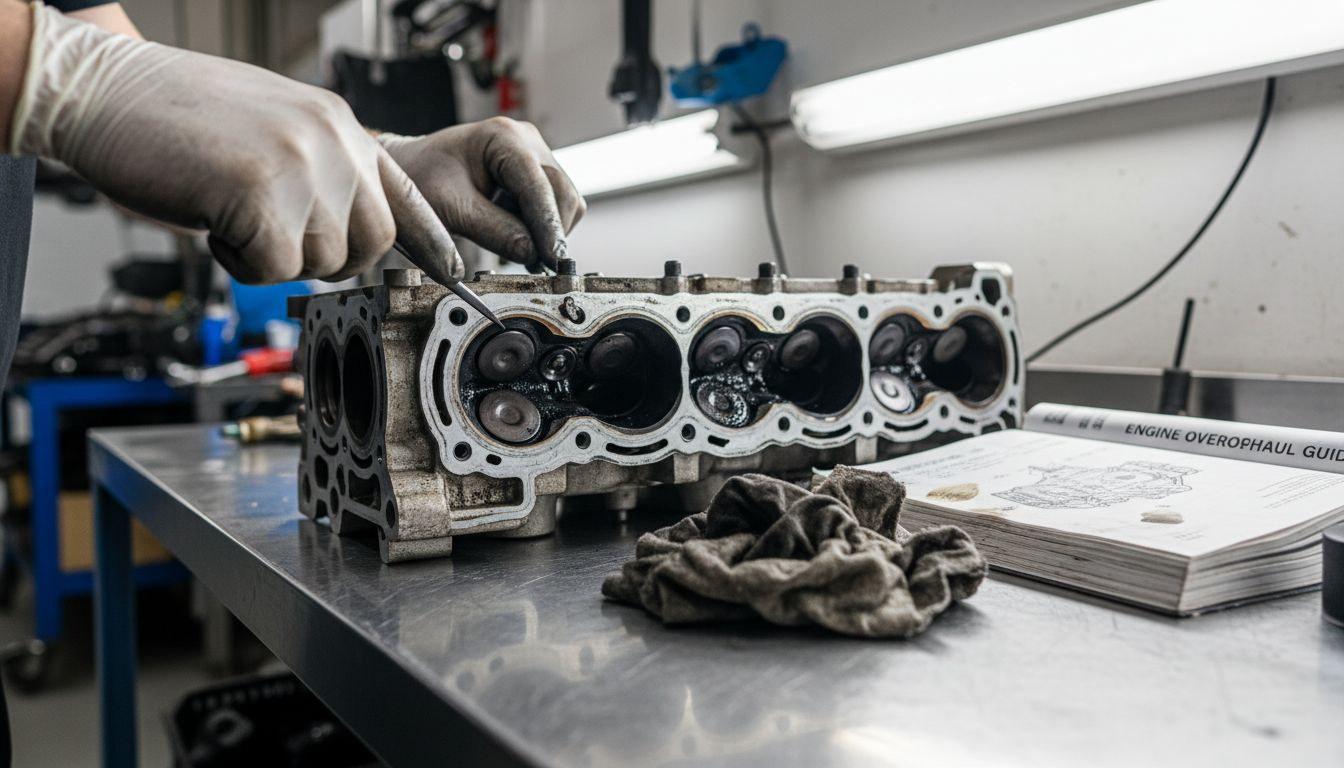
Mechanically, these deposits create uneven surfaces that disrupt the smooth operation of critical engine components. This leads to increased mechanical stress, reduced engine responsiveness, and potentially expensive repair requirements if left unchecked.
Pro tip: Monitor your vehicle’s performance indicators closely and schedule professional carbon cleaning at the first signs of reduced engine efficiency to prevent escalating mechanical issues.
Types of Engine Carbon Cleaning Methods
Engine carbon cleaning has evolved significantly, with multiple sophisticated approaches designed to address the persistent problem of carbon deposit accumulation. Advanced carbon removal techniques have emerged to tackle this critical automotive maintenance challenge.
Professional mechanics typically employ several primary carbon cleaning methods:
- Chemical Cleaning: Uses specialised chemical agents to dissolve and remove carbon deposits
- Hydrogen Cleaning: Introduces hydrogen gas to chemically break down carbon formations
- Walnut Shell Blasting: Utilises pressurised walnut shell media to physically remove stubborn deposits
- Ultrasonic Cleaning: Employs high-frequency sound waves to dislodge carbon buildup
- Fuel Additive Treatment: Introduces chemical compounds during regular fuel consumption
Chemical cleaning methods represent the most common approach for addressing carbon build-up. These techniques involve introducing specific chemical solutions directly into the engine system, which react with and dissolve carbon deposits without requiring complete engine disassembly.
Not all carbon cleaning methods are equally effective for every vehicle type and engine configuration.
Hydrogen-based cleaning has gained significant traction in recent years, offering a non-invasive approach to carbon removal. This method involves introducing hydrogen gas into the air intake system, creating a chemical reaction that breaks down carbon deposits more efficiently than traditional cleaning techniques.
Mechanical cleaning methods like walnut shell blasting provide a more aggressive approach, physically removing carbon deposits through carefully controlled abrasive techniques. This method is particularly effective for engines with significant carbon accumulation that cannot be resolved through chemical treatments.
Pro tip: Consult a professional technician to determine the most appropriate carbon cleaning method for your specific vehicle make and model.
Here’s a comparison of major engine carbon cleaning methods and their best application scenarios:
| Cleaning Method | Best For | Main Limitation |
|---|---|---|
| Chemical Cleaning | Regular maintenance | May not remove thick build-up |
| Hydrogen Cleaning | Non-invasive cleaning | Effectiveness varies by engine |
| Walnut Shell Blasting | Heavy carbon deposits | Requires partial engine disassembly |
| Ultrasonic Cleaning | Delicate components | Mostly used for small parts |
| Fuel Additive Treatment | Mild prevention | Limited impact on severe deposits |
Risks and Validity: Safety, Damage, and Warranty
Engine carbon cleaning involves nuanced considerations regarding vehicle safety and potential warranty implications. Vehicle warranty protection requires careful navigation to ensure your vehicle remains covered during maintenance procedures.
Key risks associated with carbon cleaning include:
- Potential damage from incorrect cleaning techniques
- Using low-quality chemical solutions
- Improper application of cleaning methods
- Risking sensitive engine component integrity
- Unintended consequences from aggressive cleaning approaches
Professional carbon cleaning significantly reduces risks compared to DIY methods. Trained technicians understand the delicate balance between effective carbon removal and preventing potential engine damage.
Not all carbon cleaning procedures are created equal – professional expertise matters tremendously.
Manufacturers typically have specific guidelines about maintenance procedures that could impact warranty coverage. Some cleaning methods might potentially compromise your vehicle’s existing warranty if not performed according to manufacturer specifications.
Extended warranties often provide additional protection, but drivers must carefully review their specific policy details. Understanding the fine print can help prevent unexpected complications or potential disputes about maintenance-related repairs.
Pro tip: Always consult your vehicle manufacturer and review warranty documentation before proceeding with any engine carbon cleaning service.
Practical Benefits: Cost Savings and MOT Compliance
Engine carbon cleaning offers substantial financial and regulatory advantages for UK vehicle owners. Engine maintenance can prevent costly repairs by addressing performance issues before they escalate into major mechanical problems.
Key financial benefits of regular carbon cleaning include:
- Improved fuel efficiency
- Reduced long-term repair costs
- Enhanced engine performance
- Lower emissions
- Extended vehicle lifespan
Fuel efficiency represents one of the most immediate economic advantages. By removing carbon deposits, engines can operate more smoothly, consuming less fuel and reducing overall running expenses.
Regular carbon cleaning is an investment that pays dividends through improved vehicle performance and reduced maintenance costs.
MOT compliance becomes significantly easier with proper engine maintenance. Vehicles with clean engines typically produce lower emissions, which is crucial for passing mandatory annual testing. Clean engine systems help ensure your vehicle meets stringent environmental regulations.
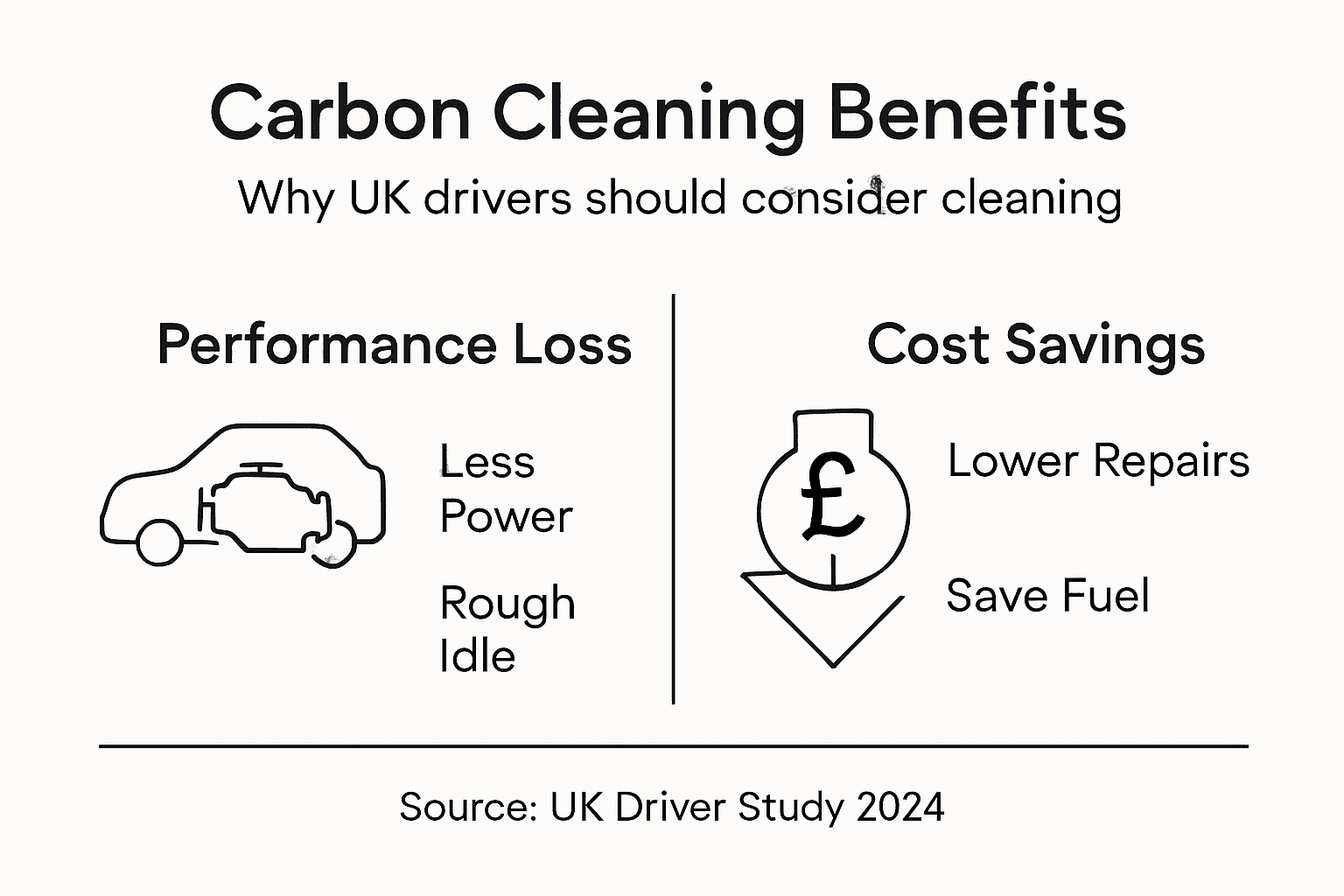
Short-trip drivers in urban areas are particularly vulnerable to carbon build-up, making professional cleaning even more critical. By maintaining optimal engine conditions, drivers can prevent potential MOT failures and avoid expensive remedial work.
Pro tip: Schedule carbon cleaning every 30,000 miles or annually to maintain optimal engine performance and MOT readiness.
The following table summarises key practical benefits gained through regular engine carbon cleaning in the UK:
| Benefit | Impact on Vehicle | Long-Term Advantage |
|---|---|---|
| Improved fuel efficiency | Fewer refuelling stops | Lower annual fuel costs |
| Enhanced engine performance | Smoother acceleration | Prolonged engine lifespan |
| Lower emissions | Easier MOT compliance | Reduced risk of fines |
| Reduced repair bills | Fewer breakdowns | Preserved vehicle value |
Restore Your Engine’s Power with Professional Carbon Cleaning at Avgarage
If you have noticed reduced engine power, rough idling, or increased fuel consumption these are clear signs that carbon build-up is affecting your vehicle’s performance. The article explains how stubborn carbon deposits can silently damage your engine over time and why professional intervention is essential to maintain combustion efficiency and avoid costly repairs. At Avgarage, our expert technicians in Corby specialise in advanced engine carbon cleaning methods that safely and effectively remove these deposits, helping you regain smooth acceleration and improved fuel economy.

Do not let carbon build-up reduce your vehicle’s reliability or risk MOT failure. Book your engine carbon cleaning service today with Avgarage and benefit from our certified mechanics, high-quality parts, and quick online appointment system. Explore our comprehensive automotive services designed for local UK car owners who demand precision and care. Take control of your engine’s health now and drive with confidence.
Frequently Asked Questions
What is engine carbon cleaning and why is it important?
Engine carbon cleaning is a maintenance process that removes carbon deposits from engine components, crucial for maintaining performance, fuel efficiency, and longevity, especially in modern direct injection and turbocharged engines.
How often should I schedule professional engine carbon cleaning?
It’s recommended to schedule professional engine carbon cleaning every 30,000 miles or when you notice performance inconsistencies to maintain optimal engine functionality and prevent potential issues.
What are the common symptoms of carbon buildup in my engine?
Common symptoms of carbon buildup include reduced engine power, rough idling, decreased fuel efficiency, increased exhaust emissions, and potential long-term engine damage if left unaddressed.
What methods are used for engine carbon cleaning?
Common methods for engine carbon cleaning include chemical cleaning, hydrogen cleaning, walnut shell blasting, ultrasonic cleaning, and fuel additive treatment, each varying in effectiveness depending on the severity of the carbon buildup.