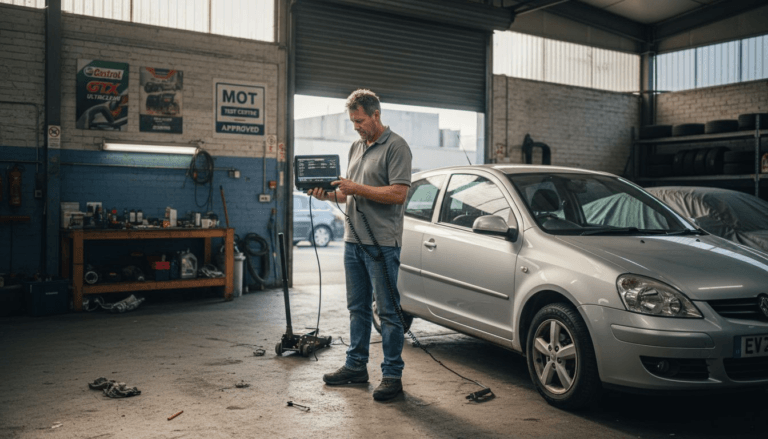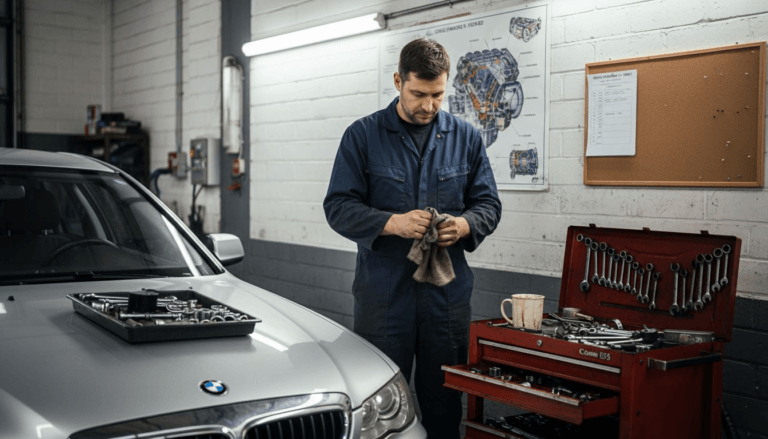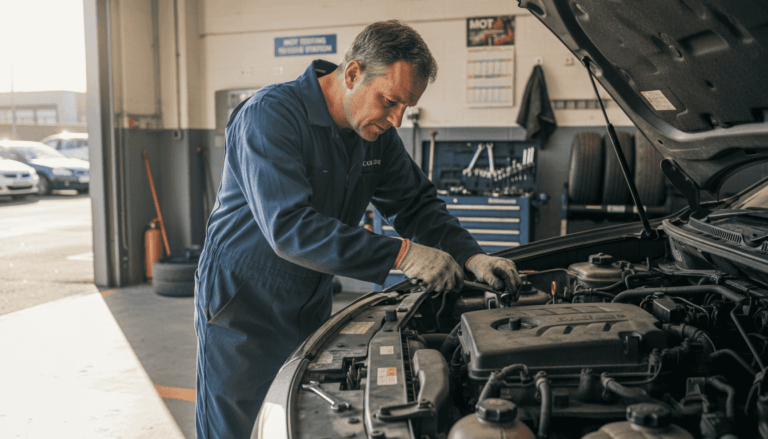


Car maintenance can easily feel overwhelming when you are not sure what matters most. You want your vehicle to stay reliable, safe, and running smoothly, but knowing exactly where to focus your attention can be confusing. From the oil hidden under the bonnet to the tyres gripping the road, each part of your car plays a crucial role in keeping you moving.
The right maintenance steps can help you avoid expensive repairs and keep your vehicle in top form. This list reveals practical checks and expert-backed routines, including why regular oil changes and tyre rotation make such a difference. Discover simple habits and smart tips that will help you keep your car performing at its best for longer.
Table of Contents
- Regular Engine Servicing and Oil Changes
- Tyre Inspection and Rotation for Safety
- Brake System Checks and Maintenance
- Battery Testing and Replacement Advice
- Air Conditioning Care and Recharge
- Gearbox Oil Changes for Smooth Performance
- Engine Carbon Cleaning for Improved Efficiency
Quick Summary
| Takeaway | Explanation |
|---|---|
| 1. Regular oil changes are vital | Change oil every 5,000 to 7,500 miles to ensure engine lubrication and performance. |
| 2. Perform tyre rotations regularly | Rotate tyres every 5,000 to 7,500 miles to promote even wear and enhance safety. |
| 3. Maintain your brake system | Inspections should occur with every oil change to prevent accidents and ensure effectiveness. |
| 4. Test your battery annually | Check battery condition yearly to avoid unexpected failures and ensure longevity. |
| 5. Keep air conditioning serviced | Annual checks help maintain efficiency and comfort, especially before summer. |
1. Regular Engine Servicing and Oil Changes
Regular engine servicing represents the cornerstone of automotive maintenance, with oil changes serving as its most critical component. Keeping your vehicle’s engine properly lubricated is essential for preventing mechanical wear and ensuring optimal performance.
Modern vehicles rely on precise engine lubrication to protect critical moving parts. Motor oil performs multiple functions beyond simple lubrication:
- Reduces friction between engine components
- Helps dissipate engine heat
- Prevents corrosion and rust
- Removes microscopic debris and contaminants
- Maintains engine seal integrity
The frequency of oil changes depends on several factors, including vehicle make, model, age, and driving conditions. Most manufacturers recommend changing oil every 5,000 to 7,500 miles, though some modern vehicles can extend this interval.
Consistently maintaining your engine’s oil is significantly cheaper than repairing engine damage caused by neglect.
Choosing the correct oil type is crucial. Different engines require specific viscosity grades and oil formulations. Synthetic oils generally provide superior protection and longer intervals between changes compared to conventional oils.
Key considerations for oil changes include:
- Check your vehicle’s owner manual for specific recommendations
- Monitor your vehicle’s onboard oil life monitoring system
- Consider your typical driving environment (city vs. motorway)
- Use high-quality oils matching manufacturer specifications
Top tip: Keep a detailed log of your oil changes to track your vehicle’s maintenance history and identify potential issues early.
2. Tyre Inspection and Rotation for Safety
Tyre maintenance is a critical aspect of vehicle safety that many car owners overlook. Proper tyre inspection and regular rotation can significantly extend your tyres’ lifespan and ensure optimal driving performance.
Regular tyre rotation helps distribute wear evenly across all four tyres. Different driving conditions place varying stress on tyres, which can lead to uneven wear patterns. Tyre rotation techniques are designed to compensate for these variations and maintain balanced performance.
Key benefits of consistent tyre rotation include:
- Improved vehicle handling
- Extended tyre lifespan
- Enhanced road safety
- More predictable driving performance
- Better fuel efficiency
Uneven tyre wear can compromise your vehicle’s stability and increase the risk of unexpected tyre failure.
Rotation intervals typically range between 5,000 to 7,500 miles, though this can vary depending on your vehicle type and driving conditions. Most modern vehicles have specific rotation patterns based on whether they are front-wheel, rear-wheel, or all-wheel drive.
When rotating tyres, technicians also conduct crucial safety inspections:
- Check tread depth
- Examine sidewalls for damage
- Verify proper inflation levels
- Look for signs of misalignment
Pro tip: Always consult your vehicle’s owner manual for precise rotation recommendations and maintain a written log of your tyre maintenance history.
3. Brake System Checks and Maintenance
Your vehicle’s brake system represents the most critical safety mechanism protecting you and your passengers. Regular brake maintenance is not just recommended it is essential for preventing potential accidents and ensuring reliable vehicle performance.
Brake systems involve complex mechanical components that experience significant wear during everyday driving. Comprehensive brake inspections help identify potential issues before they become dangerous mechanical failures.
Critical components requiring regular examination include:
- Brake pad thickness
- Rotor condition
- Brake fluid levels
- Brake line integrity
- Calliper performance
- Brake pedal responsiveness
A well-maintained brake system can prevent up to 80% of potential stopping-related incidents.
Most automotive experts recommend professional brake inspections during every oil change or approximately every 12,000 miles. Typical brake pad replacement intervals range between 25,000 to 50,000 miles, depending on your driving conditions and vehicle type.
Key warning signs indicating potential brake system problems include:
- Squealing or grinding noises
- Reduced braking performance
- Vibrations when applying brakes
- Soft or spongy brake pedal
- Dashboard warning lights
Pro tip: Keep a detailed maintenance log documenting each brake inspection and service to track your vehicle’s brake system health and anticipate potential replacement needs.
4. Battery Testing and Replacement Advice
Your vehicle’s battery is the silent powerhouse that keeps electrical systems running smoothly. Understanding battery maintenance can prevent unexpected breakdowns and extend the life of your car’s electrical components.
Batteries typically have a finite lifespan of three to five years, with performance gradually declining over time. Battery testing procedures help identify potential issues before complete failure occurs.
Key aspects of battery health include:
- Consistent voltage output
- Clean terminal connections
- Absence of physical damage
- Proper charging system performance
- Age and environmental exposure
A well-maintained battery can prevent 90% of unexpected vehicle electrical failures.
Most automotive experts recommend professional battery testing:
- Annually after two years of use
- Before extreme seasonal temperature changes
- When experiencing electrical system irregularities
- During routine vehicle maintenance
Warning signs indicating potential battery problems include:
- Slow engine cranking
- Dimming headlights
- Electrical system irregularities
- Swollen battery case
- Corrosion around battery terminals
Pro tip: Keep a digital or written record of your battery’s age and previous tests to anticipate replacement needs and budget accordingly.
5. Air Conditioning Care and Recharge
Your vehicle’s air conditioning system plays a crucial role in maintaining comfort and safety during driving. Proper maintenance ensures optimal performance and prevents costly repairs down the line.
Air conditioning maintenance involves more than simply recharging refrigerant. It requires a comprehensive approach to system health and performance.
Key components requiring regular attention include:
- Refrigerant levels
- Compressor functionality
- Condenser and evaporator cleanliness
- Air filter condition
- Belt and hose integrity
- Electrical system connections
A well-maintained air conditioning system can improve vehicle comfort by up to 50% and prevent unexpected breakdowns.
Most automotive experts recommend professional air conditioning service:
- Annually before summer season
- When experiencing reduced cooling performance
- If unusual noises occur during operation
- When refrigerant levels drop
Warning signs indicating potential air conditioning issues include:
- Weak airflow
- Warm air from vents
- Unusual odours
- Inconsistent cooling
- Strange noises during operation
Pro tip: Run your air conditioning system for 10-15 minutes at least once a month during winter to maintain seals and prevent refrigerant degradation.
6. Gearbox Oil Changes for Smooth Performance
Your vehicle’s gearbox represents a complex mechanical system that requires consistent care to maintain optimal performance. Regular gearbox oil changes are essential for preventing wear and ensuring smooth transmission operation.
Modern automotive technology has transformed how we approach gearbox maintenance strategies. Different transmission types require unique maintenance approaches.
Key benefits of routine gearbox oil changes include:
- Reduced mechanical friction
- Prevention of premature component wear
- Improved gear shifting performance
- Extended transmission lifespan
- Enhanced overall vehicle efficiency
Timely gearbox oil maintenance can prevent up to 75% of potential transmission failures.
Gearbox oil change intervals depend on several factors:
- Vehicle make and model
- Transmission type (manual or automatic)
- Driving conditions
- Manufacturer recommendations
- Vehicle age and mileage
Warning signs indicating potential gearbox issues include:
- Grinding or unusual noises during gear changes
- Delayed or rough gear shifting
- Transmission fluid discolouration
- Burning smell from transmission area
- Fluid leaks underneath the vehicle
Pro tip: Keep detailed records of your gearbox oil changes and always use manufacturer-recommended fluid specifications to maintain warranty coverage and optimal performance.
7. Engine Carbon Cleaning for Improved Efficiency
Engine carbon cleaning represents a critical maintenance procedure that directly impacts your vehicle’s performance and longevity. Understanding how carbon deposits accumulate and their potential consequences is essential for proactive vehicle care.
Emission control technologies play a crucial role in managing engine carbon buildup and maintaining vehicular efficiency. Carbon deposits can gradually reduce engine performance and fuel economy.
Key benefits of regular engine carbon cleaning include:
- Enhanced fuel efficiency
- Improved engine responsiveness
- Reduced harmful emissions
- Extended engine component lifespan
- Smoother acceleration
- Lower maintenance costs
Consistent carbon cleaning can improve engine performance by up to 10% and reduce fuel consumption.
Factors contributing to carbon deposit formation:
- Short driving trips
- Low-quality fuel
- Incomplete fuel combustion
- Outdated engine design
- Limited maintenance history
Warning signs indicating potential carbon buildup:
- Reduced engine power
- Rough idling
- Increased fuel consumption
- Difficulty starting the engine
- Unusual engine noises
Pro tip: Consider professional carbon cleaning every 30,000 miles or use high-quality fuel additives to minimise carbon deposit accumulation in your engine.
This table summarises the essential automotive maintenance activities discussed in the article, highlighting key elements and considerations for each task.
| Maintenance Aspect | Description | Key Considerations |
|---|---|---|
| Engine Servicing | Regular engine maintenance and oil changes to ensure longevity and performance. | Use the recommended oil type and adhere to specified intervals. Track changes meticulously. |
| Tyre Rotation | Ensures even wear, extending tyre lifespan and improving safety. | Follow rotation patterns aligned with vehicle type and inspect tyres during service. |
| Brake System Checks | Regular inspections of brake components to maintain safety. | Consider brake wear indicators and conduct checks during routine maintenance events. |
| Battery Maintenance | Testing and upkeep to avoid electrical failures. | Perform annual checks, particularly in varying climates. Replace after signs of wear. |
| Air Conditioning | Maintain the system’s cooling effectiveness and prevent failures. | Service annually and use it periodically to preserve system integrity. |
| Gearbox Maintenance | Oil changes ensure smooth gear transitions and prevent damage. | Confirm oil type with manufacturer; follow interval guidelines. |
| Engine Carbon Cleaning | Clears deposits to enhance engine efficiency and reduce costs. | Perform regularly or use additives to prevent excessive build-up. |
Keep Your Car Running Smoothly with Expert Maintenance from Avgarage
Understanding the importance of regular engine servicing, timely oil changes, brake system checks, and even engine carbon cleaning can save you from costly repairs and unexpected breakdowns. If you want to avoid common issues like uneven tyre wear, battery failure, or gearbox troubles, it is vital to have a trusted automotive centre that offers comprehensive solutions tailored to your car’s needs.
At Avgarage, our certified technicians bring over 10 years of experience to every service. Whether you need a professional engine carbon cleaning, gearbox oil change, or air conditioning recharge, we use only OEM or high-quality parts with transparent pricing you can trust. Don’t wait for warning signs like squealing brakes or rough gear shifts to take action. Book your appointment today at Avgarage and experience reliable, expert care that keeps your vehicle safe, efficient, and comfortable no matter the season.
Frequently Asked Questions
How often should I change my car’s oil?
Changing your car’s oil is generally recommended every 5,000 to 7,500 miles. Check your vehicle’s owner manual for specific guidance and track your mileage to maintain an optimal oil change routine.
What is the importance of tyre rotation and how often should it be done?
Tyre rotation is crucial for ensuring even wear and enhancing performance, typically recommended every 5,000 to 7,500 miles. Regularly rotate your tyres to promote safety and extend their lifespan.
How can I tell if my brakes need maintenance?
Signs that your brakes require maintenance include squealing or grinding noises, vibrations during braking, and a soft brake pedal. If you notice any of these symptoms, have your brakes inspected promptly to prevent potential accidents.
What are the signs that my car battery may need replacing?
Common indicators that your battery may need replacement include slow engine cranking, dimming headlights, and visible corrosion around terminals. If you notice these signs, consider testing or replacing your battery to avoid unexpected breakdowns.
How often should I perform gearbox oil changes?
Gearbox oil changes should be conducted based on your vehicle’s manufacturer recommendations, typically every 30,000 to 60,000 miles. Regularly check your vehicle’s oil levels and maintain a log of your oil change history to ensure smooth performance.
What are the benefits of engine carbon cleaning?
Engine carbon cleaning can enhance fuel efficiency, improve engine responsiveness, and reduce harmful emissions. Aim to schedule professional carbon cleaning every 30,000 miles to maintain optimal engine performance.